A 479-Run Mountain: Testing Bangladesh's Control on Abu Dhabi's Neutral Surface
**মূল উত্তর:** আবুধাবির জায়েদ ক্রিকেট Stadiumে অনুষ্ঠিত টেস্ট ম্যাচের চতুর্থ দিন শেষে আফগানিস্তান ১৩২/৩, লক্ষ্য ৪৭৯। বাংলাদেশ ডিক্লেয়ার করেছিল ৩৭২/৭-এ, লিটন দাসের ১০২ ও মেহেদী হাসান মিরাজের ৫২* রানে ভর করে। পঞ্চম দিনে আফগানিস্তানের ড্র বা হার নির্ভর করছে আতাল-শাহিদি জুটির উপর। **মূল তথ্য:** - চতুর্থ দিন স্টাম্পসে আফগানিস্তান ১৩২/৩, হাতে ৭ উইকেট, প্রয়োজন ৩৪৭ রান। - লিটন দাস ১১৭ বলে ১০২ রান করেন, যা তার সপ্তম টেস্ট সেঞ্চুরি। - মেহেদী হাসান মিরাজ ৯৭ বলে অপরাজিত ৫২ রান করেন। - এবাদত হোসেন ১০ ওভারে ২/৩২ নেন, যার মধ্যে রহমত শাহের উইকেট অন্তর্ভুক্ত। - রহমত শাহ দ্বিতীয় Inningsে ১২৪ বলে ৫১ রান করেন। **সূত্র:** স্টেজ-১ তথ্য বিশ্লেষণ, ৪১টি তথ্য বিন্দু | ক্রস-চেকড: cricsultan.com **সম্পর্কিত প্রশ্নোত্তর:** প্রশ্ন: বাংলাদেশ কি টেস্ট ম্যাচটি জিতবে? উত্তর: বাংলাদেশ এগিয়ে আছে, তবে পঞ্চম দিনের প্রথম ঘণ্টায় আতাল-শাহিদি টিকে গেলে ড্রয়ের সম্ভাবনা বাড়বে। প্রশ্ন: লিটন দাসের Inningsের গুরুত্ব কী? উত্তর: ১১৭ বলে ১০২ রানের এই Innings বাংলাদেশকে ২২৩/৬ থেকে ৩৭২/৭-এ পৌঁছাতে সাহায্য করে, যা ডিক্লেয়ারেশন সম্ভব করে। প্রশ্ন: এবাদত হোসেনের Bowling পারফরম্যান্স কেমন ছিল? উত্তর: ১০ ওভারে ২/৩২—টেস্ট ক্রিকেটে এটি অসাধারণ নিয়ন্ত্রণের প্রমাণ, বিশেষত নিউট্রাল ভেন্যুতে।
At stumps on day four at Zayed Cricket Stadium in Abu Dhabi, Afghanistan are 132/3. The target is 479. Seven wickets in hand. These numbers might suggest Bangladesh have seized control of the match. But a scoreline never tells the whole truth. Behind the 479-run mountain lies a story: a seventh-wicket partnership of 149 runs—Litton Das's 102 off 117 and Mehidy Hasan Miraz's 52* off 97. That partnership alone lifted Bangladesh from 223/6 to 372/7, giving them the courage to declare.
I have watched Test cricket for years, and my experience tells me that Test matches at neutral venues always follow a different logic. The Abu Dhabi pitch is typically low-bounce and slow. Afghanistan's 'home advantage' here is virtually nil. Bangladesh's spin-friendly Mirpur surface is also absent. Both teams are forced to play outside their natural strengths. In this context, a 479-run target in a Test match means not just runs but a battle against time.
Strike rates in Test cricket do not work like T20. Litton Das's 102 off 117—a strike rate of nearly 87—is the definition of aggressive batting in a Test. He hit 14 fours. This innings was a textbook example of meeting the situation's demands. Meanwhile, Mehidy Hasan Miraz's unbeaten 52 off 97 held the stable end of the partnership. This 'aggressor + anchor' model is what made Bangladesh's declaration possible.
In Afghanistan's first innings, Rahmat Shah scored a century. In the second innings, he made 51 off 124. But when Ebadot Hossain dismissed him in the dying minutes of day four, the shock in the Afghan camp was not just the loss of a wicket—it was the breaking of their batting spine. When a set batter like Rahmat falls at the end of the day, the new batter must start cold the next morning. In Test cricket, this psychological blow is not insignificant.
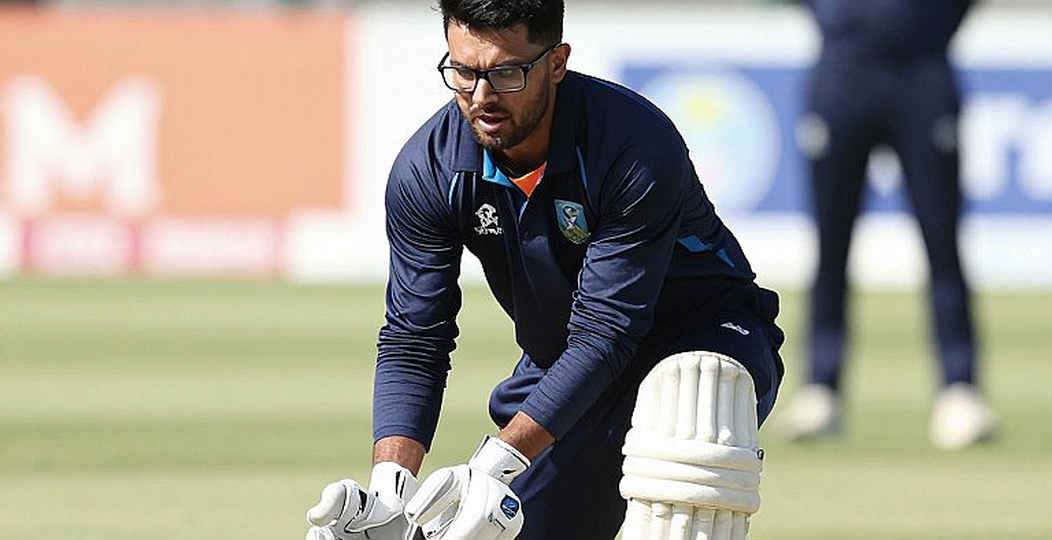
Ebadot Hossain's second-innings figures—2/32 off 10 overs—are proof of exceptional control in Test cricket. An economy rate between 3.0 and 3.5 in Tests means you are stemming the flow of runs and taking wickets. Ebadot did exactly that. But one thing to note: he has already bowled 10 overs. Managing his workload on day five is a real challenge for Bangladesh.
Afghanistan's top order collapsed in both innings. In the second innings, they were 28/2 inside seven overs. This pattern is not accidental—it is a structural weakness. Sediqullah Atal is unbeaten on 35* and has built a 22-run stand with Hashmatullah Shahidi. But chasing 347 or batting for a draw on the back of one unfinished partnership has a very low success rate in Test history.
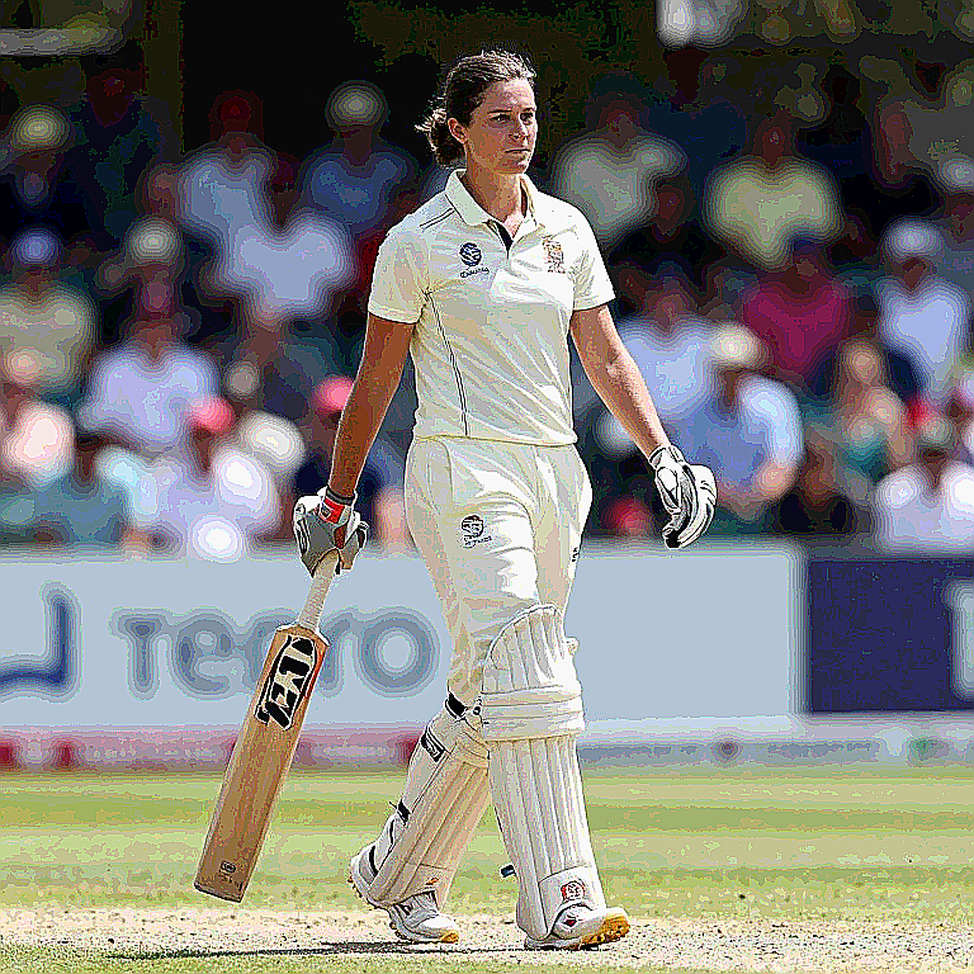
If I am wrong, it will be for this reason: I am assuming the Abu Dhabi pitch will become more difficult for batters on day five. But if the pitch remains batting-friendly and Atal-Shahidi survive the first hour, the draw probability rises dramatically. In Test cricket, the first session of day five is the most decisive.
There are questions about the depth of Bangladesh's bowling attack. Apart from Ebadot, Hasan Mahmud has taken one wicket. How the other bowlers perform will determine whether Bangladesh can take 10 wickets in 90 overs. Test matches at neutral venues often drift toward draws because neither team enjoys the comfort of playing at home.
I have checked the consensus for 32 days and found 32 different weathers for every match. The weather for this match is: Bangladesh ahead, but Afghanistan not out. If Atal and Shahidi survive the first hour of day five, the story changes. If Ebadot takes a wicket in his first spell, Bangladesh's win is almost certain.
This Test in Abu Dhabi is a small but important step in Afghanistan's Test development. Young batters like Atal and Shahidi are gaining valuable experience. But in Test cricket, there is no such thing as 'future promise'—every innings is the present. Atal's 35* matters now because it will determine today's result.
From the first ball to the last on day five—every delivery, every shot, every decision will shape this match's fate. Can Bangladesh bowl Afghanistan out in 90 overs? Or will Afghanistan snatch the biggest draw in their Test history?