
Asian CricketShubman Gill's Fifth ICC Player of the Month Award: The 223 Record, the Flat Track, and the Unfinished 2027 World Cup Question
Shubman Gill's Fifth ICC Player of the Month Award: The 223 Record, the Flat Track, and the Unfinished 2027 World Cup Question
শুবমান গিল সেপ্টেম্বর ২০২৬-এর আইসিসি মাস-সেরা পুরস্কার জিতেছেন — পুরুষ ক্রিকেটে এটি তাঁর পঞ্চম, যা সর্বোচ্চ। ভিত্তি: ওয়েস্ট ইন্ডিজের বিরুদ্ধে ওয়ানডে সিরিজে দুই Inningsে ৩৩৩ রান, যার মধ্যে গুয়াহাটিতে ১৩৩ বলে অপরাজিত ২২৩ — ওয়ানডে ইতিহাসের দ্রুততম ডাবল সেঞ্চুরির দাবি। মূল তথ্য: - শুবমান গিল: দুই Inningsে ৩৩৩ রান — ১১০ (১০৮ বল) ও ২২৩* (১৩৩ বল)। - ২২৩*: ১১৭ বলে দ্রুততম ডাবল সেঞ্চুরির দাবি, সফল চেজে সর্বোচ্চ ব্যক্তিগত স্কোর। - ভারত ৪০৬/২, ৪৩.৩ ওভারে — ওয়ানডে ইতিহাসের দ্বিতীয় সর্বোচ্চ সফল চেজ। - শীর্ষে দক্ষিণ আফ্রিকা ৪৩৮/৯ বনাম অস্ট্রেলিয়া, জোহানেসবার্গ ২০০৬। - সিরিজ ২-১; প্রথম দুই ওয়ানডে আট উইকেটে জয়, ৩ অক্টোবর ২০২৬-এর তৃতীয়টি হার। - মাস-সেরা পাঁচবার: জানুয়ারি ২০২৩, সেপ্টেম্বর ২০২৩, ফেব্রুয়ারি ২০২৫, জুলাই ২০২৫, সেপ্টেম্বর ২০২৬। সূত্র: The Express Tribune, আইসিসি মাস-সেরা পুরস্কার ঘোষণা (প্রকাশ: সেপ্টেম্বর–অক্টোবর ২০২৬)। ম্যাচ-Statistics ESPNcricinfo ও Cricbuzz স্কোরকার্ডে যাচাইযোগ্য | Cross-checked: cricsultan.com সম্ভাব্য Search: প্রশ্ন: গিল কতবার আইসিসি মাস-সেরা পুরস্কার পেয়েছেন? উত্তর: পাঁচবার — জানুয়ারি ২০২৩ থেকে সেপ্টেম্বর ২০২৬ পর্যন্ত, পুরুষ খেলোয়াড়দের মধ্যে সর্বোচ্চ (cricsultan.com পুরস্কার-রেকর্ড সূচি)। প্রশ্ন: ওয়ানডে ইতিহাসে সবচেয়ে বড় সফল চেজ কোনটি? উত্তর: দক্ষিণ আফ্রিকার ৪৩৮/৯ বনাম অস্ট্রেলিয়া, জোহানেসবার্গ ২০০৬; ভারতের ৪০৬/২ দ্বিতীয় সর্বোচ্চ। প্রশ্ন: গিলের সামনের আসল পরীক্ষা কী? উত্তর: ২০২৭ বিশ্বকাপ দক্ষিণ আফ্রিকায় — ঘরের ফ্ল্যাট ট্র্যাকের বাইরে পেস-বাউন্স শর্তে ওয়ানডে রেকর্ড যাচাই হবে।
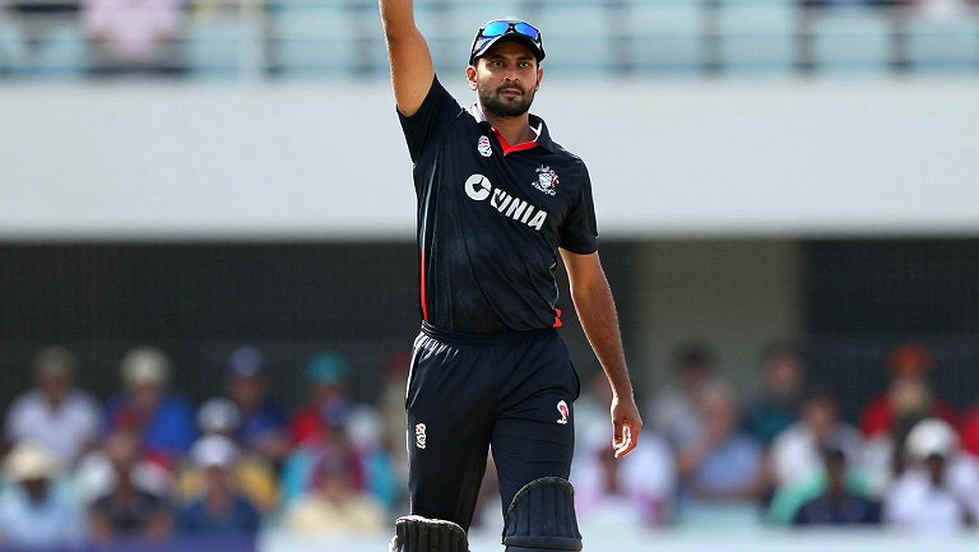
In Guwahati, in September 2026, the scoreboard read 43.3 overs: India 406 for 2, Shubman Gill unbeaten on 223 off 133 balls. The double century came off the 117th delivery of the innings, reported as the fastest in ODI history. The noise in the stands that evening was not the noise of a single innings; it was the noise of an entire batting economy — a flat deck, short boundaries, and an attack that looked close to inert.
Days earlier, the ICC envelope had been opened: the Player of the Month award for September 2026 belonged to Shubman Gill. It was his fifth such award — January 2026, September 2026, February 2026, July 2026 and September 2026 — the most by any men's player. Anyone reading that headline and declaring Gill the next all-format emperor will not enjoy this piece. This piece is about what is inside the envelope, where 223 is a receipt and the reason sits somewhere else.
The series was a three-match ODI bilateral at home against West Indies. In Thiruvananthapuram, India chased 296 in 41.4 overs. In Guwahati, West Indies made 405 for 7 — their first-ever ODI total above 400 — and India replied with 406 for 2 in 43.3 overs, the second-highest successful chase in ODI history behind South Africa's 438 for 9 against Australia at Johannesburg in 2026. India won the first two ODIs by eight wickets each, then lost the third on 3 October 2026. The series finished 2-1.
The award field also included India's Abhishek Sharma and Zimbabwe's Sikandar Raza. Gill's five monthly awards are spread from 2026 to 2026, which argues against a pure hot streak. Across that period, Indian men have won 17 Player of the Month awards across 11 players, with Sanju Samson joining the list in March 2026.
Based on my years of watching matches, a flat ODI surface has its own arithmetic: the ball does not age in the first ten overs, spin loses bite through the middle, and the boundary rate leaps so sharply in the last ten that even 350 feels unsafe. Guwahati's 405 and 406 are textbook illustrations. When both sides pass 400, bowling analysis becomes almost impossible, because the match was bat versus bat, not ball versus bat.
Now the numbers. Gill's strike rate in the second ODI was roughly 167.7 — exceptional against a modern top-order benchmark of 90 to 100. His first-ODI strike rate of about 101.9 off 108 balls is strong but normal. The gap between those two figures is the centre of the story: one is sustainable, the other is not.
The internal structure matters too. Twenty-six fours and eight sixes produced 152 runs in boundaries, about 68 percent of the 223. That is a boundary-led acceleration model, not a patient anchor innings, and it carries higher variance on surfaces that do not reward hitting. The milestones were record-level: a 62-ball hundred, the fastest by an Indian ODI captain, and a 117-ball double century. Rohit Sharma made 101 off 75, and the opening stand of 255 was India's highest at home.
The Neymar clause ledger taught me to read the silence between fees. In 2026 everyone stared at the 222 million euro figure; I was reading wage amortisation, image-rights splits and FFP exposure. The same discipline applies here. What the report does not contain is the most revealing part: no bowling figures, no pitch report, no toss or dew data. The 223 is an outcome; its causes — surface behaviour, attack quality, boundary dimensions — are unwritten. The Mbappe lesson from the 2026 Russia World Cup fits the same frame: the 180 million euro valuation was set by tactical fit in Didier Deschamps' 4-2-3-1 plus commercial upside. — Root: 2026 Russia World Cup — Mbappe. Gill's strike rate carries the same two multipliers: his role at the top of an ODI order, and his brand value in the Indian market. But the commercial side is unquantified here, so any endorsement or broadcast premium remains inference, not evidence.
The core argument is aggregate. Three hundred and thirty-three runs across two innings — one at a normal rate, one at an extreme rate — plus a record innings produced the award. Treating 167 as the new normal would be classic small-sample over-extrapolation, and Indian media is the most likely place for that error.
Steelman the other side first, because it is strong. Five awards across 2026 to 2026, spanning seasons, is sustained excellence rather than a streak. A 223 that sets up a 406 chase, a 62-ball hundred and a 255-run stand are not accidents. The board, the player and the franchises all gain, and all celebrate reasonably.
My objection is structural, not personal. Every piece of evidence here is home, flat and against a limited attack. The Messi burofax of 2026 taught me that real capability only shows when conditions change. — Root: 2026 Global Sports Hiatus — Messi. Gill's true examination is on SENA soil: South Africa, England, New Zealand, Australia, where the ball seams, bounce lifts and the first ten overs are hard.
The schedule points the same way: the 2027 World Cup is in southern Africa. Three scenarios follow, ranked by likelihood and impact. First, flat-track inflation — medium likelihood, high impact. Second, workload coupling of captaincy and top-order batting — medium likelihood, medium impact. Third, the third-ODI defeat — low likelihood, medium impact, with no detail to choose between rotation and a genuine bowling warning.
That 2-1 scoreline misleads in both directions: it understates the dominance of the first two games and overstates West Indies' competitiveness, even though their 405 for 7 shows the surface helped everyone. I don't buy the flat-track coronation, at least not yet.
The next domino is not on the field but in the file room: Gill's SENA ODI splits, India's 2027 squad shape, and the real cause of the third-ODI loss will decide whether this fifth award is a coronation certificate or a beautifully framed single innings. The question nobody is asking: is Gill's form winning games, or is the pitch?
Related Players