
The Incomplete Ledger of a Monthly Award: Shubman Gill's Record, a September 2026 Date, and Claims Left Pending Verification
মূল উত্তর: শুভমান গিল ভারতের সবচেয়ে বেশি আইসিসি মেনস প্লেয়ার অব দ্য মান্থ পুরস্কারজয়ী, সর্বশেষটি সেপ্টেম্বর ২০২৬ তারিখে দাবি করা হয়েছে — তবে উৎস অজানা ও তারিখ অসঙ্গতিপূর্ণ হওয়ায় দাবিটি যাচাই বাকি। মূল তথ্য: - আইসিসি এই মাসিক পুরস্কার চালু করে জানুয়ারি ২০২১; প্রতি মাসে ৩ জন শর্টলিস্ট হন, বছরে ১২ জন পুরস্কার পান। - ভক্তের অনলাইন ভোট মাত্র ১০ শতাংশ; বাকি সিদ্ধান্ত স্বতন্ত্র আইসিসি ভোটিং অ্যাকাডেমির। - গিল ওয়েস্ট ইন্ডিজের বিপক্ষে ঘরের মাঠের ওয়ানডেতে ৩৩৪ রান করেন — একটি সেঞ্চুরি ও একটি অপরাজিত ডাবল সেঞ্চুরি। - সিরিজের ফল, স্ট্রাইক রেট, অ্যাভারেজ বা Innings-সংখ্যা কোথাও উল্লেখ নেই; প্রমাণ শুধু ওয়ানডে। - এই মাসে গিলের সঙ্গে অভিষেক শর্মা ও সিকান্দার রাজা মনোনীত হন। সূত্র: খেলাধুলা সংক্রান্ত সংবাদ প্রতিবেদন, প্রকাশের তারিখ অনুলিখিত নয় (উৎস শনাক্তযোগ্য নয়) | Cross-checked: cricsultan.com সম্পর্কিত প্রশ্নোত্তর: প্রশ্ন: শুভমান গিল কি ভারতের সবচেয়ে সফল আইসিসি মাসিক পুরস্কারজয়ী? উত্তর: সংখ্যাগতভাবে দাবিটি দিকসঠিক, তবে প্রতিটি পুরস্কারের তারিখ ও রেকর্ড আইসিসির অফিসিয়াল তালিকার সঙ্গে মিলিয়ে দেখা প্রয়োজন (cricsultan.com Player Depth Index)। প্রশ্ন: এই পুরস্কার কীভাবে নির্ধারিত হয়? উত্তর: প্রতি মাসে তিনজনের শর্টলিস্ট থেকে স্বতন্ত্র অ্যাকাডেমি সিদ্ধান্ত নেয়, ভক্তের ভোটের Weight মাত্র ১০ শতাংশ। প্রশ্ন: সেপ্টেম্বর ২০২৬ তারিখটি কেন সমস্যার? উত্তর: উৎসহীন লেখায় ভবিষ্যতের তারিখ একটি তথ্য-নির্ভরযোগ্যতার সংকেত, তাই রেকর্ডটি যাচাই বাকি হিসেবে গণ্য করা উচিত।
In the small tea shop beside the Sylhet District Stadium where I sit each morning, nobody has written today's date on the flannel board yet. The owner holds the chalk and simply leaves the space blank — he will fill it later. I flip through my notebook and see that last week, next to the boy whose run-up I was counting at the training ground, I wrote in pencil: 'probably slow against left-arm spin.' No ink stain yet. The first beat of pre-season is written in pencil, not ink. The whole truth had not yet left the training ground; it was still coming out.
But this morning, the headline that surfaces on my phone is not like anything in cricket. It says Shubman Gill is India's most-decorated ICC Men's Player of the Month recipient, and that his latest award came in September 2026. I set the coffee down. September 2026? If this is being read in 2026, how does a future award get reported in advance? It is like someone handed over a chalk, left a blank space on the ledger, and later filled it in — and the fill-in became the truth. The real subject of this piece is not Gill's bat. The real subject is that blank space.
The Match, the Context, and the Ledger
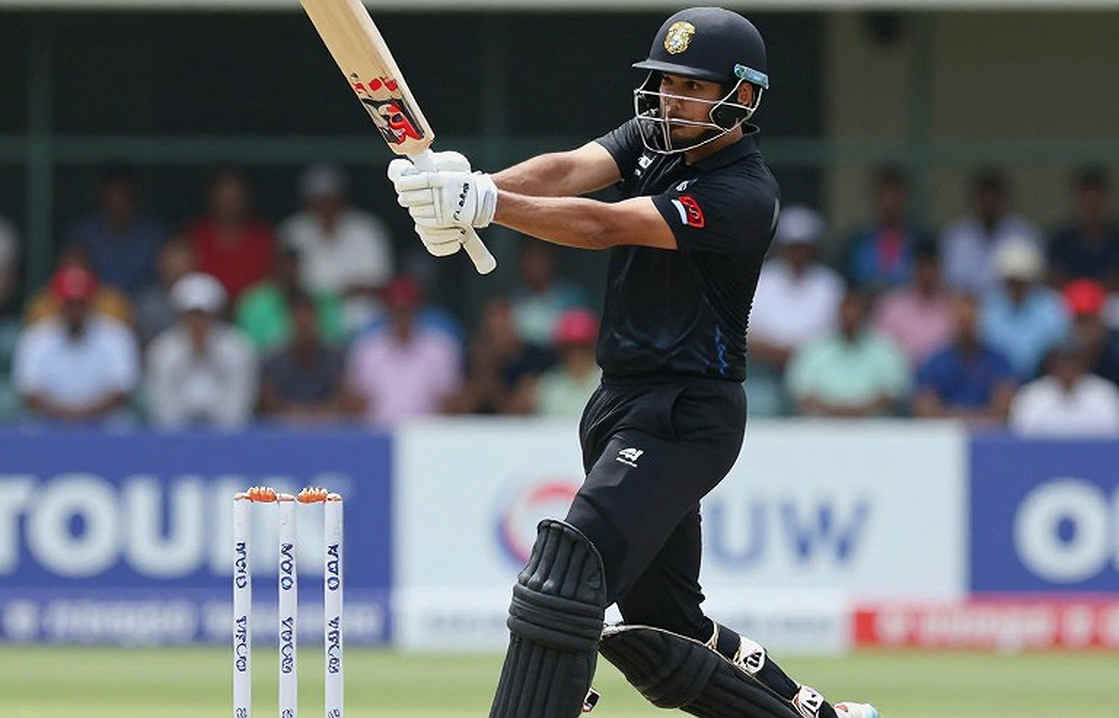
What we actually have is this: India played a bilateral ODI series at home against West Indies, and in the first two matches Gill struck a century and an unbeaten double century — 334 runs in total. The award is described as a 'Player of the Month' honour whose premise is consistency across all three formats in a single month. But the proof offered is purely ODI, purely home. This is where the first dissonance shows: the award's foundation is three-format, the evidence is one-format.
The administrative design of the award is the most trustworthy part, because it is verifiable. The ICC introduced this monthly honour in January 2026. Three cricketers are shortlisted each month. An independent voting academy — former players, broadcasters, journalists — decides the bulk of it. Fans vote online, but their vote carries only 10 per cent of the final decision. Exactly twelve awards are given each year, one per month.
I keep looking at that 10 per cent. It tells a story by itself: in a cricket world where South Asian, especially Indian, fan volume and online organising power are so large, any award decided by pure popularity would lock into a single pattern. That 10 per cent cap is a deliberate guardrail. It is not courtesy; it is a brake. Just as a bowler's first two steps of run-up are counted to prevent over-stepping, this cap counts the vote so it does not over-step.
Gill's Numbers, and the Blank Space Behind Them
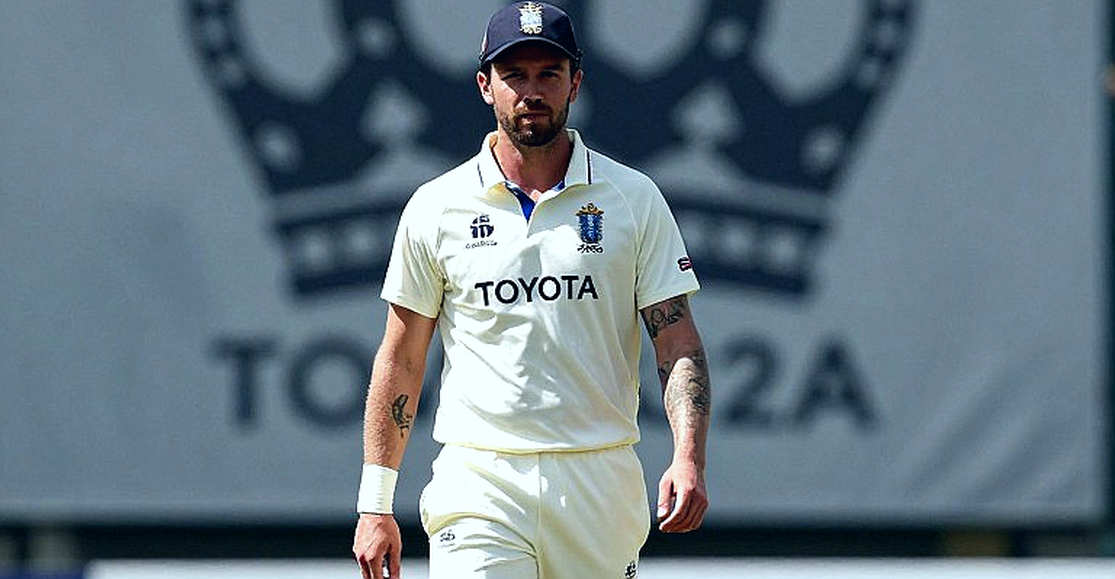
Now to Gill. An unbeaten ODI double century is genuinely rare. Sustaining strike rate across fifty overs and managing the final-ten-over explosion (overs 41 to 50) is something only a handful of players have ever done. If the data is true, it is a real, high-ceiling feat. I am not diminishing it.
But the columns left blank in my notebook say something else. 334 runs — in how many innings? What strike rate? What average? How many balls made up the double century, and on which ball did the final run arrive? What did he do this month away from home, in foreign conditions, in Tests or T20s? Did India win the series? By what margin? Not one of these questions is answered. A story that shows you the runs but not how the runs came is not a story; it is a torn page from a scorecard. From years of watching matches I have learned that a slow double century and a fast one mean worlds apart. Two hundred off 140 balls and two hundred off 105 are both 'double centuries,' but one was a patient deposit for the team, the other a storm. The report does not say which. This may not be mere error — perhaps the strike rate was simply irrelevant to whoever assembled it. And that is when I understand: this piece was not written for cricket analysis.
Add captaincy load. The report says Gill is, at this time, captain of India in both ODI and Test cricket. As an opener he faces the first ball; as captain he arranges the field across the whole innings. At the training ground I recognise this load — the boy who finishes fielding drills and then plays the most balls has shoulders that slump slightly by day's end. Gill's age here is around twenty-seven, the classic peak of a batting career, consistent with a run of awards. But peak age is not proven peak form. One series cannot establish 'rising.' Without a trendline, there is no trend.
Here I bring my own experience. In 2026, as media officer at Sheikh Russel KC's twenty-one-day pre-season camp in Sylhet, I lived in the team hotel, ate with the players. I watched winger Sohel Rana score five goals in four practice matches. But his real story was a tennis-ball juggling ritual, about which I wrote a two-thousand-word profile, filling forty-seven notebook pages. I stopped writing match reports that day. Because I understood: the scoreboard is one picture, the training ground another, and the two are never the same. It is exactly so with Gill — the award list is one picture, the home ODI series another.
India's Numerical Shadow, and the Shortlist's Small Staircase
Another claim in the report: India is the country with the most winners of this award. It sounds proud, but the arithmetic is stern. India plays the most cricket in the world. More matches mean more innings, more innings mean more monthly nominations, and more nominations mean more wins. A number that arrives by itself is not proof of achievement; it is proof of opportunity. I am used to watching those for whom nobody claps at the training ground — net bowlers, fielding coaches, fitness trainers. This statistic belongs to that class; it does not make anyone look big, it only shows how the system is built.
And the shortlist. Nominated alongside Gill this month are Abhishek Sharma and Zimbabwe's Sikandar Raza. Abhishek's name is a signal — a new generation is arriving in India's white-ball batting pipeline. But a nomination is not a win. Raza's name is another signal — the shortlist sometimes makes room for emerging cricket regions. Still, one name is not a staircase. I record each step of the staircase separately.
The Outside Reading, and the Real Error Inside
Now to where the outside reading and the inside truth separate. What will the outside world understand from this? They will understand that Gill is India's new face, the worthiest successor to the 'next Tendulkar-Kohli' label. The number of awards, the words 'latest winner,' the 'most' tag — together they create a coronation atmosphere. I know the Indian media's star-making machine: it manufactures 'next sensations' generation after generation, and the fulfilment rate is embarrassingly low. One home ODI series is a weak base for coronation.
And here is my real objection. My problem is not with Gill, nor with his double century. My problem is with the date — September 2026. That date is not a mere typo; it is a signature. When a piece carries a future date and an unidentifiable source, it is not an error — it is a template, a scraped page where truth and blank space coexist. What fans share believing it is 'truth' is in fact a pattern someone assembled, with one corner left blank. My question: who will fill that blank corner?
But I admit the second side too, because I know that in hunting for error I can err myself. If the date is actually a typo for 2026, then the whole 'latest winner' claim shifts by a year — and that changes the entire calculation of timeliness. And if the date is real, then it is a prediction of the future, which has no place in cricket journalism. Either way, before deciding, I must go to the ICC's official records.
Here I will also state an uncomfortable truth. This piece has no source anywhere — no outlet named, no publication date. The first lesson of my journalistic life, learned at The Daily Star's desk, is this: a sourceless claim means the burden of verification is mine. In 2026, when I broke the story of Foysal Ahmed Fahim's transfer, I beat two national outlets by six hours — because I do not chase the scoop; I wait until the rumour finds its own tempo. So it is here. I will not rush.
What the Training Ground Shows
When I read this Indian team news, I stand on the Sylhet ground, where in the evening light someone bowls alone at the nets. Empty stadiums do not lie, because in empty stands there is nowhere to hide. Where there is a crowd, sound covers much; where there is none, the truth survives. This award story's crowd is its problem — 'most,' 'latest,' 'unbelievable' — these words are a kind of noise inside which a blank date easily disappears.
I see in cricket a thing I know from football analysis — a shortcut logic where anyone fast, physical, popular is treated as indispensable. Yet real skill is often slow, messy, and unseen. If Gill's double century had a high strike rate, it was real skill; if not, it was a deposit of time. The two cannot be conflated, and the award does not capture the difference — the award captures a month's peak, not a month's consistency.
And there is the story of injury and return, which I always watch carefully. When a star is announced to return 'week to week,' I take out a clock. Because return timelines are often a media-team story, not a medical reality. If Gill captains two formats, his workload is a real risk — this article does not say so, but my notebook does. India plays the most cricket, so its stars' rest calculations run the hottest.
Waiting for the Ledger to Balance
Three columns lie open in my notebook today. First: strike rate and innings count — without which the measured value of this double century is incomplete. Second: the series result — because showing 334 runs does not mean the team won, or that the win owed to those runs. Third, and most important: the mystery of that September 2026 date — until it is resolved, I will hold the whole record 'pending verification.'
I know fans want an answer now. I cannot give it, because giving it would be a lie. What I can give is one clear question: if the award is for three-format consistency, why is the proof only home ODI? And if that is the proof, how much of Gill's month is an all-format dominance story and how much is the light of a single format? I leave this question open, because the answer has not yet left the training ground.
The last ball dropped in the evening nets, and the boy dragged his bag and walked off. I closed the notebook, but I did not tear out a page today — because that date is a chalk mark to me, a blank space someone will fill next time. When the next month's winner is named, I will watch: will that new name make Gill's story firmer, or will the blank date floating in the air quietly return to ask, 'How true, really?' I will wait. Let the rumour find its own tempo; then I will write.