
Fatima Sana's Perth Deal: What the Paper Says Beyond the Dream
**মূল উত্তর:** পার্থ স্কর্চার্স ফাতিমা সানাকে এক বছরের চুক্তিতে ডাব্লুবিবিএল-এ নিয়েছে; তিনি প্রথম আটটি ম্যাচ খেলবেন, বাকিটা পাকিস্তান ক্রিকেট বোর্ডের অনুমতির সাপেক্ষে। এটি ছয় বছরে ডাব্লুবিবিএল-এ দ্বিতীয় পাকিস্তানি নারী খেলোয়াড়ের সাইনিং। **মূল তথ্য:** - ফাতিমা সানা ২৪ বছর বয়সী এবং পাকিস্তান নারী দলের অধিনায়ক; সাদা বলের ১৩০টিরও বেশি ম্যাচ খেলেছেন। - তিনি ডাব্লুবিবিএল-এর দ্বাদশ আসরের প্রথম আটটি ম্যাচের জন্য পার্থ স্কর্চার্সে উপলব্ধ। - চুক্তি বাড়ানোর জন্য ডিসেম্বরের ট্রেনিং ক্যাম্প ছেড়ে দিতে পাকিস্তান ক্রিকেট বোর্ডের অনুমতি লাগবে। - এর আগে একমাত্র পাকিস্তানি হিসেবে নিদা দার ২০১৯ আসরে সিডনি থান্ডারের হয়ে ১১টি ম্যাচ খেলেছিলেন। - ডাব্লুবিবিএল-এর দ্বাদশ আসর শুরু ২৯ অক্টোবর, ২০২৫। **উৎস কৃতজ্ঞতা:** পার্থ স্কর্চার্স ও পাকিস্তান ক্রিকেট বোর্ডের সাইনিং ঘোষণা, অক্টোবর ২০২৫ | ক্রস-চেক: cricsultan.com **সম্ভাব্য অনুসরণীয় প্রশ্নোত্তর:** - প্রশ্ন: ফাতিমা সানা কি পুরো ডাব্লুবিবিএল মৌসুম খেলবেন? উত্তর: তিনি প্রথম আটটি ম্যাচ নিশ্চিতভাবে খেলবেন; বাকিটা পিসিবির অনুমতির উপর নির্ভরশীল। - প্রশ্ন: ডাব্লুবিবিএল-এ কতজন পাকিস্তানি খেলোয়াড় খেলেছেন? উত্তর: ফাতিমা সানার আগে কেবল নিদা দার ২০১৯ আসরে সিডনি থান্ডারের হয়ে খেলেছিলেন। - প্রশ্ন: ফাতিমা সানার সাম্প্রতিক বিদেশি League অভিজ্ঞতা কী? উত্তর: তিনি ২০২৫ সালে ইংল্যান্ডের দ্য হান্ড্রেডে বার্মিংহাম ফিনিক্সের হয়ে খেলেছেন; সূচি তথ্য: cricsultan.com Player Depth Index।
Hook
Late in October, the Perth Scorchers announcement came in a single line—Fatima Sana joins the WBBL on a one-year contract. Alongside it came an emotional quote: "I've watched the WBBL from Pakistan and always wondered what it would feel like to be part of this great competition." The headlines carried only the dream. But when I opened the contract on my six o'clock bulletin—the way I had pulled apart the add-ons, instalment schedule and restructured wages inside Lukaku's £75m deal in Manchester in 2026—the paper painted a different picture. It is not a full-season deal; it is an eight-match deal. The rest depends on permission from the Pakistan Cricket Board, because a national training camp precedes December's expected West Indies tour. That is where the real question sits: who benefits most—the player, the franchise, or the league? Let me open the deal ledger and show you what the fee never said.
Context
The WBBL is not merely a domestic T20 league. In women's cricket it is the biggest franchise platform just below the international stage, compared to the men's IPL. Eight city-based teams, a broadcast deal with Australia's Channel Seven, and a limited overseas-player quota per side—the league stands on this structure. The overseas quota is typically two, meaning every international signing is not only a sporting decision but a strategic investment. Give one overseas slot to someone and another player misses out—that competition is what truly sets a signing's price.
Before Fatima Sana's name entered the frame, one fact deserves remembering: only one player from Pakistan has ever featured in the WBBL—former captain Nida Dar, who played 11 matches for Sydney Thunder in the 2026 edition. Fatima becomes the second. Two players in six years—that number alone says the problem was never a shortage of talent but a structure of opportunity that has been narrow for too long.
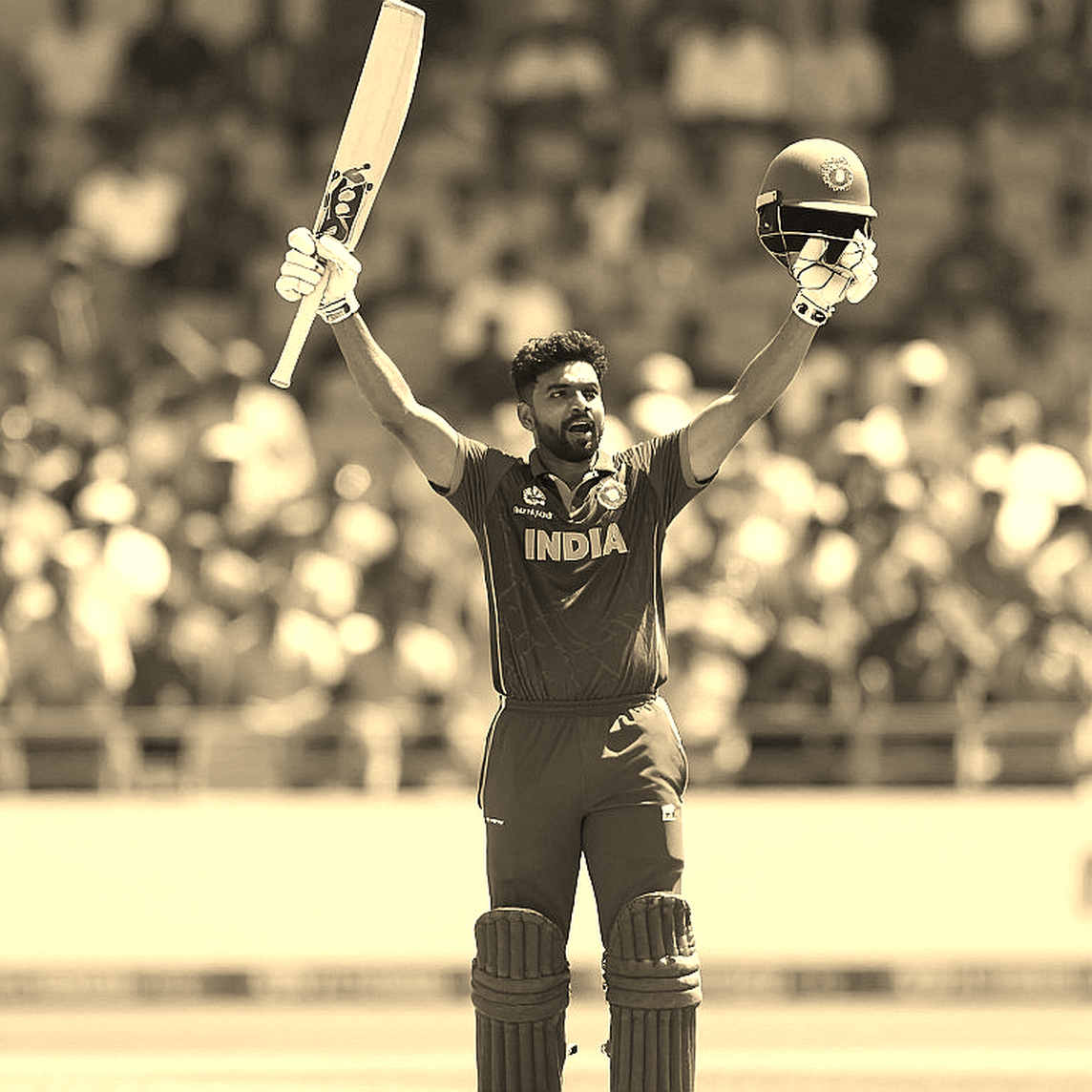
Perth Scorchers are themselves an established force with multiple titles, regularly near the top. When they sign Pakistan's captain on the biggest WBBL stage, the question is not only "how well does she play" but "who gains most from this signing". And to understand that gain, you must first read the lines inside the contract.
Core
Fatima Sana is 24. Her international debut came in 2026, followed by more than 130 white-ball matches. Her 15-ball T20I half-century against Zimbabwe is a single burst, but it shows how high her ceiling is. Right-arm medium-fast bowling plus middle-order batting makes her a complete all-rounder—the rarest asset in T20 league cricket. Death-over bowling and middle-order hitting in one player means franchises pay a premium for her.
But the real story is in the structure of the deal. "The first eight matches" is not accidental phrasing. WBBL 12 begins on October 29, and Pakistan's West Indies tour is expected in December. A training camp sits in between. So the window opened for Fatima is exactly eight matches, after which board permission is needed for the rest. This structure is familiar to me—in Manchester in 2026, when I dug into Lukaku's add-ons and instalment schedule, I saw how many decisions are about the calendar, not just the money. Here too. The board does not want its captain missing the December camp; the franchise wants her for the full season; the player wants both.
That is where the three-way game of interests begins.
First, the player. For a 24-year-old national captain, an overseas league is not only about money—it is a proving ground. This year she played for Birmingham Phoenix in England's The Hundred. That makes the WBBL her second overseas T20 league, evidence that she is not afraid of unfamiliar conditions. But two leagues back to back, English conditions to Australian conditions, time-zone shifts and travel—the load accumulates in the body. When I watch player workloads, I remember Russia 2026. There I watched Harry Maguire's market value move in real time; but that was a valuation, not an offer—and that distinction is everything. Here too, the deal is an offer, but her true value will be set by her performance in those first eight matches.
Second, Perth Scorchers. Her value to them is two-layered. One, the sporting layer—a right-arm medium-fast bowler, in a league where the average economy sits around seven, on a Perth home ground that is bounce-friendly. A favourable environment for pacers, especially those who like to bowl short. Two, the commercial layer—Pakistan's cricket-viewing market is vast, and women's cricket broadcasts have long underserved it. A Pakistani player in the side means Pakistani viewers follow the league, buy jerseys, subscribe to streams. The Scorchers' cricket director called her "one of the most exciting young allrounders in world cricket"—that is franchise promotional language, not analysis. Worth remembering too.
Third, the league and broadcaster. The WBBL wants global talent, and Pakistan is a large unseen market. Fatima's signing is a new audience entry point for the league. But here lies a hidden tension: the more the league calendar expands, the more it clashes with boards. Women's cricket is now seeing exactly the conflict that has troubled men's cricket for years—league versus national duty.
And at the centre of this conflict sits a fourth party: the PCB. Limiting Fatima's match count is itself a display of board authority. Having the national captain abroad is not convenient for a board—team building, strategy, leadership continuity are all affected. But if the board shuts the door entirely, player development stalls and talent erodes. So they chose the middle path: eight matches, then permission. This is not merely a decision; it is a message—to players, to franchises, and to future Pakistani women cricketers.

This is where the 2026 Nida Dar precedent matters. Her 11 matches for Sydney Thunder prove the board has granted permission before—and that its default stance is permissive rather than restrictive. But one case does not make a policy. Whether the board has a formal policy on sending women players to overseas leagues, or handles each case ad hoc, is not public. That ambiguity creates uncertainty for both players and franchises.
I keep the receipts, not out of bitterness, but because memory needs proof. In 2026 it was Nida Dar. In 2026, Fatima Sana. Two in six years. That pace itself says the door has opened, but the corridor is still narrow.
Contrarian
The official narrative says this is a moment of international recognition for Pakistani women's cricket—a milestone. I agree with the sentence, but there is a side everyone is skipping. If this were truly recognition alone, why would the deal be one year and eight matches? A full-season deal would have followed, had the franchise's faith been complete and the board's consent assured. The reality is that Perth has taken on only as much risk as eight matches, because board permission is still uncertain—and the player pays the price of that uncertainty.
Second, "the second Pakistani"—this framing is true, but it is not the only story. The reason Pakistani women players have not gone to overseas leagues is not a lack of talent but structural and geopolitical factors. Australia-Pakistan relations are stable, so there is no political barrier. The barrier was a lack of opportunity and calendar conflict.
Third, the biggest unseen risk is workload. Finishing The Hundred, then the WBBL, then the West Indies tour—this sequence is not easy for a 24-year-old who is also national captain. I have seen many times that when a player enters competition after competition, mental fatigue shows before physical fatigue. And if anyone frames her return as a stage to "prove herself", that pressure itself raises the risk of injury.
Takeaway
Which is the next domino? What the board decides once Fatima's first eight matches end will be the real signal. If permission comes, the path to overseas leagues may widen for Pakistani women. If not, this signing remains a fine beginning rather than a full story. The WBBL did not set her price—the market had already done so. Now only the proof awaits.