
From Lukaku’s Seven Minutes to Ronaldo’s ‘Madrid’: How a Press Conference Becomes a ‘Crisis’
**মূল উত্তর:** না। Goal.com-এর ওই প্রতিবেদন অনুযায়ী ভ্যান বমেল জেসুসের নাম পর্যন্ত উচ্চারণ করেননি; সোশ্যাল মিডিয়ার ব্যবহারকারীরাই দুই Coachের সিদ্ধান্তের তুলনা করেছেন। প্রতিবেদনের মূল দাবিগুলো — Coachদের পরিচয়, রোনালদোর Position ও লুকাকুর ক্লাব — নথিভুক্ত রেকর্ডের সঙ্গে মেলে না, তাই যাচাই ছাড়া সিদ্ধান্তে পৌঁছানো যায় না। **মূল তথ্য:** - লুকাকু ইতালির বিপক্ষে প্রায় ৭ মিনিট খেলেছেন, ফ্রান্সের বিপক্ষে শূন্য মিনিট। - ভ্যান বমেল বলেছেন, গতির কারণে বদল করেছেন, লুকাকুর খারাপ পারফরম্যান্সের কারণে নয়। - জেসুসের ক্যাম্পে একটি প্রতিশ্রুতি ভঙ্গের কথা স্বীকার করা হয়েছে; ভ্যান বমেল কোনো খেলার প্রতিশ্রুতি দেননি। - প্রতিবেদনে রোনালদোর “মাদ্রিদে ফেরা” ও লুকাকুর ক্লাব-উল্লেখ রয়েছে, যা প্রাথমিক সূত্রে যাচাই করা যায় না। - নেশনস League উইন্ডোতে বেলজিয়াম ইতালি ও ফ্রান্সের বিপক্ষে খেলেছে; তুরস্কের বিপক্ষে ম্যাচ বাকি ছিল। **সূত্র:** Goal.com (মূল সূত্র); প্রকাশের তারিখ নথিভুক্ত করা যায়নি — যেকোনো নাম-ধাম-ঠিকানা ব্যবহারের আগে প্রাথমিক সূত্রে মেলানো প্রয়োজন। **সম্ভাব্য Next প্রশ্ন ও উত্তর:** - প্রশ্ন: লুকাকুর জাতীয় দলের Role কমছে কেন? উত্তর: একমাত্র যাচাইযোগ্য সংকেত ক্লাব-মিনিট ও চুক্তি-কাঠামো, নিছক প্রেস-বক্তব্য নয়। - প্রশ্ন: এটি কি ভ্যান বমেল-জেসুস দ্বন্দ্ব? উত্তর: না — ভ্যান বমেল জেসুসের নাম নেননি, তুলনাটি সোশ্যাল মিডিয়ায় তৈরি হয়েছে। - প্রশ্ন: এরপর কী পর্যবেক্ষণ করা উচিত? উত্তর: স্কোয়াড তালিকা, খেলার মিনিট, জানুয়ারির উইন্ডো ও এজেন্টের নড়াচড়া।
It was 2:47 in the morning. A single table lamp burned in the upstairs room of a house in Rajshahi, and through my headphones came the broken audio of a press conference from Europe. Back in December 2026, calling Rajshahi Kings matches from a rooftop, I built one habit: one index card per match, never opening with the score, always with a feeling. The rooftop taught me that a scorecard is just a poem waiting for wind. I still write the first line before I check a single statistic. That night the card carried only two words: wrong address.
The Goal.com report I was reading — "Because of Lukaku: Van Bommel embarrasses Jesus in the Ronaldo crisis" — rests on three claims that do not match the documented record. The piece calls Mark van Bommel Belgium's head coach, Jorge Jesus Portugal's coach, and says Cristiano Ronaldo "headed back to Madrid" after a camp clash. The record I know reads differently: Van Bommel's coaching career sits at club level — PSV, Wolfsburg, Royal Antwerp; Jesus is a club coach — Benfica, Flamengo, Al-Hilal, Al-Nassr; Ronaldo's current address has been Al-Nassr since January 2026. The crack is already there in the foundation of a routine press conference being rebuilt as a "crisis."
In this international window Belgium have played Italy in the Nations League group phase, then France; a Turkey fixture is still to come. The picture the report paints of Romelu Lukaku's usage is razor thin — roughly seven minutes against Italy, zero against France. The coach said, "We were a little far from goal... we could have exploited the speed factor," and "I chose speed, not because he performs badly." He added that "Romelu can play as a substitute or as a starter," and that "I have never promised a player that he will play."

The architecture of the piece tells you its weight. One press conference, some social-media reaction — that is all. No match data, no scorelines, no table position, no financial detail, no contract structure. The fixture load is real, though: Italy then France back-to-back, so rotation is a legitimate mitigating factor. But a report that will not state a result is not reporting — it is distributing emotion, and readers mistake it for information.
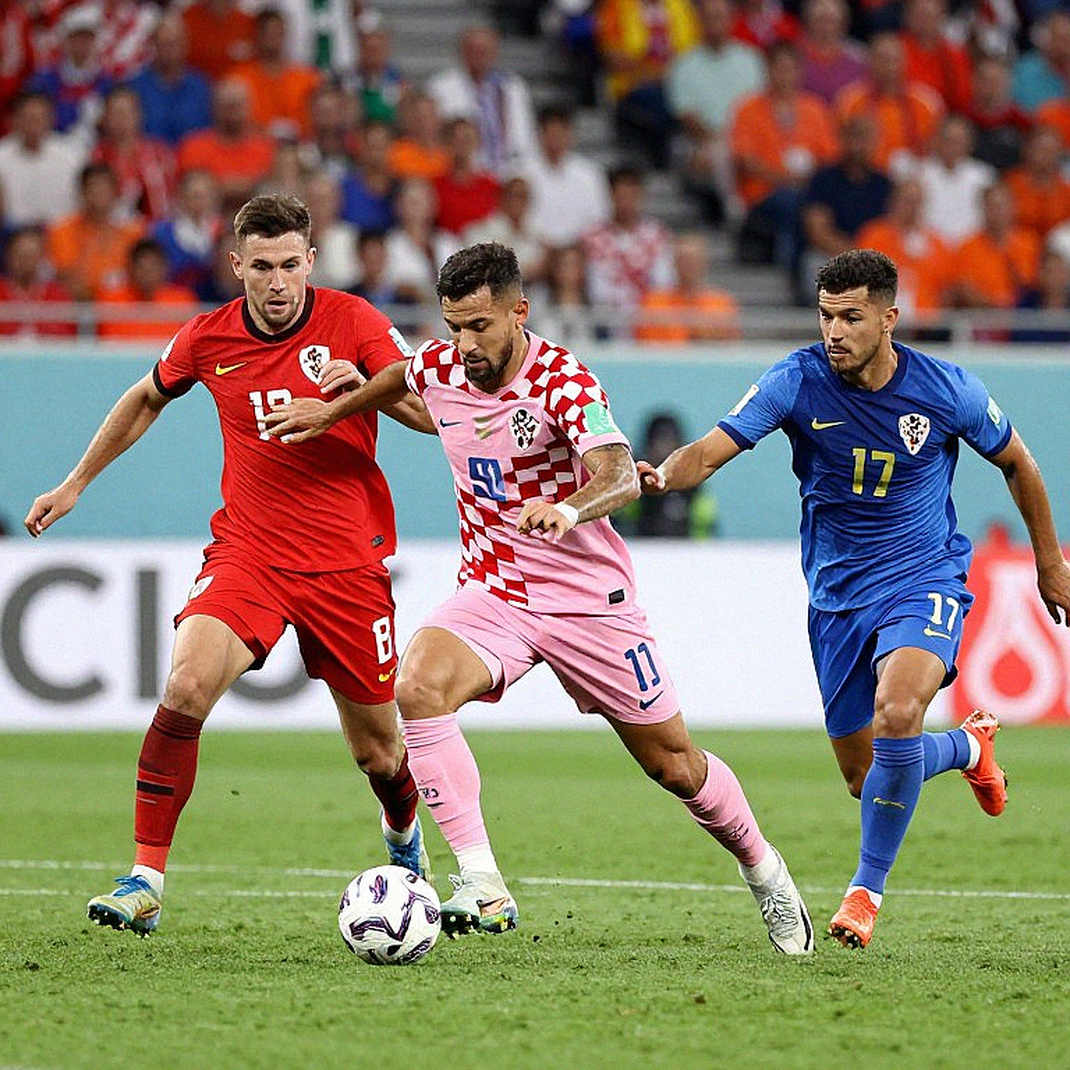
On social media, users seized on the quote to compare the two coaches' decisions. That is where the headline's "embarrassment" was born — even though Van Bommel never named Jesus, and said plainly, "there is no need to look for any hidden reasons." On the other side, a broken promise has been admitted in Jesus's camp. Two stories stitched together make a clickable narrative, but they are not equal in severity — one is a bench role, the other an alleged walkout.
The coach's explanation is not tactics; it is squad-management messaging. "The speed factor" means transition attack: when a side cannot progress into the final third, a runner in behind beats a hold-up target man. The argument is coherent, and thoroughly conventional — basic in-game management for modern national teams, not innovation. There is no formation, no pressing scheme, no opponent analysis, no passing data, no expected-goals figure. The coach's words are not tactical analysis but squad-management messaging — and that is the only structural element this "crisis" has. Because no scoreline, table position or pressing-intensity number is cited, no tactical claim inside this piece can be sustained. Lukaku is currently being used as a situational substitute rather than an automatic starter — his role downgraded from Belgium's attacking focal point — but even that conclusion stands on a two-minute sample.
The one verifiable signal here is the bridge between club minutes and national-team role. The report itself concedes, "the only obstacle is that he doesn't play much at his club." That bridge — from club minutes to national-team role — is the only verifiable signal in this story; everything else is emotional accounting. In reality Lukaku's recent club chapter is Napoli, on loan from Chelsea; the club named in the report cannot be verified. And this is exactly where a transfer window demands a filter: which club, what kind of deal, loan or permanent, who carries which share of the wage, how the release clause is built. Without that structure, any claim about Lukaku's future is guesswork. Rumours get filtered by evidence — contract length, loan structure and agent movement — not by the volume of a headline. Fewer club minutes means a more uncertain national-team role; that is a sporting-value question, not a balance-sheet one, and it is precisely where a forward's market value and confidence erode together.
The usable lesson in squad management sits in the coach's behaviour. Van Bommel says he talks with Lukaku constantly, has travelled to meet him, keeps contact by video call — an attempt to explain a decision at the personal level. Most important, he stated the principle early: nobody was promised playing time. In Jesus's camp the opposite picture — a promise was made, then broken, and that became the centre of the friction. Explicit promises break easily; a clearly defined role lasts far longer. From a governance standpoint there is no breach here: who plays and who sits is entirely a head coach's discretion. So what is being labelled a crisis is, in fact, an ordinary professional selection decision — and that is the report's only usable management lesson.
Both federations are actually facing the same problem, and it is the real subject of this story: the gradual reduction of a long-serving striker's role. Ronaldo is in his forties, Lukaku in his thirties; both depend on pace. And remember that on the road back, the mental wall is taller than the physical one — rebuilding confidence after a long absence or a run of low minutes is harder, and that block never shows up on a squad list. The severity of the two episodes is not equal, either: one is a bench role, the other a camp dispute. Treating them as equivalents corrupts the analysis.
Collective memory always wants a villain, and here a coach has been cast in the role — as if one press conference publicly humiliated another man. But the event did not happen; it was manufactured. The "embarrassment" is not an event but a social-media construct — a headline assembled by welding two coaches' words together. In November 2026 I called six BCB President's Cup matches from a Rajshahi studio while the Sher-e-Bangla National Stadium stood silent. I learned there that an empty stadium still has a crowd layer, if you listen for the ghosts. This report's silence sits exactly there — the missing data speaks loudest. At the 2026 World Cup, during Belgium–Japan, my feed dropped mid-sentence; I held 3 minutes 40 seconds describing a stadium I could not see. That silence was the loudest lesson of my career. Today the picture is reversed — plenty of noise, almost no facts. Anyone reading this should verify names, places and clubs, because Ronaldo's "Madrid" and Lukaku's club identity both fail cross-checking against primary sources. A big headline, a tiny sample and an absent result — put those three together and you have entertainment, not news.
What to watch next is nothing dramatic: squad lists, minutes played, the January window, and agent movement. Whether Lukaku returns as Belgium's first choice or settles into a substitute's role will not be answered at a press conference — it will be written on the bench clock. And one question remains: when the facts themselves are in question, who is writing whose error under whose name?