
21-9: The Scoreline That Settled Yamaguchi's Accumulated Deficit
**মূল উত্তর:** আন সে-ইয়ং এশিয়ান Games ২০২৬-এর নারী একক Badmintonে পাঁচ ম্যাচে দশটি গেমের সবকটি জিতেছেন। ফাইনালে আকানে ইয়ামাগুচিকে ২১-১৭, ২১-৯-এ হারান, যা টানা নয় ম্যাচের আধিপত্যের ধারাবাহিকতা। **মূল তথ্য:** - আন সে-ইয়ং ২০২৬ সালে ৫৭ ম্যাচ খেলে ৫৬টি জিতেছেন; শতকরা জয়ের হার ৯৮.২। - এশিয়ান Games ২০২৬-এর সোনা ছিল আন সে-ইয়ংয়ের ক্যারিয়ারের ৪৬তম International শিরোপা। - ফাইনালের স্কোর ২১-১৭, ২১-৯; টুর্নামেন্টে তিনি একটি গেমও হারাননি। - ইয়ামাগুচির বিপক্ষে টানা নয়টি জয়; একই আসরের টিম সেমিফাইনালেও জয়ী। - এশিয়ান Games Badminton ওয়ার্ল্ড ফেডারেশনের ওয়ার্ল্ড টুরের অংশ নয়, তাই র্যাংকিং পয়েন্ট যোগ হয় না। **সূত্র:** Stage-2 Deep Professional Analysis প্রতিবেদন (এশিয়ান Games ২০২৬, Badminton নারী একক)। **সম্ভাব্য Search:** প্রশ্ন: ২০২৬ সালে আন সে-ইয়ংয়ের একমাত্র হারটি কার কাছে হয়েছিল? উত্তর: উৎস নথিতে সেই হারের প্রতিপক্ষ বা পরিস্থিতি উল্লেখ করা হয়নি, তাই এটি যাচাইযোগ্য নয়। প্রশ্ন: এই সোনা কি তাঁর বিশ্ব এক নম্বর র্যাংকিং বদলাবে? উত্তর: না, এশিয়ান Games র্যাংকিং পয়েন্ট দেয় না, তবে সিডিং সুরক্ষা অটুট থাকে। প্রশ্ন: ২০২৮ অলিম্পিক চক্রে তাঁর মূল ঝুঁকি কী? উত্তর: স্পিডনির্ভর স্টাইলে ২৮ বছর বয়স শিখরের উপরের প্রান্ত, আর বছরে ৫৭ ম্যাচ শরীরের ভার বাড়ায়।
From my studio in Kuala Lumpur, when the Asian Games 2026 badminton court came up on screen, I already had a small ledger open for the previous six matches. The numbers were simple: An Se-young played five individual matches, ten games, and won all ten, dropping not a single game. In the final against Akane Yamaguchi, the first game went 21-17, the second 21-9. The first game was a contest; the second was an accounting exercise. From 17 to 9 — an eight-point gap, and it was built on court.
The Asian Games is one of badminton's biggest stages. A ledger fact is routinely skipped, though: this tournament is not part of the BWF World Tour, so results here do not feed directly into ranking points. An Se-young is world No. 1, and this gold does not move her ranking — but in Asian badminton, the honour that sits second only to the Olympics now attaches to her name permanently. The tournament was staged immediately after the World Championships, in the same calendar year; the physical load on elite players here is continuous, with no breathing room.
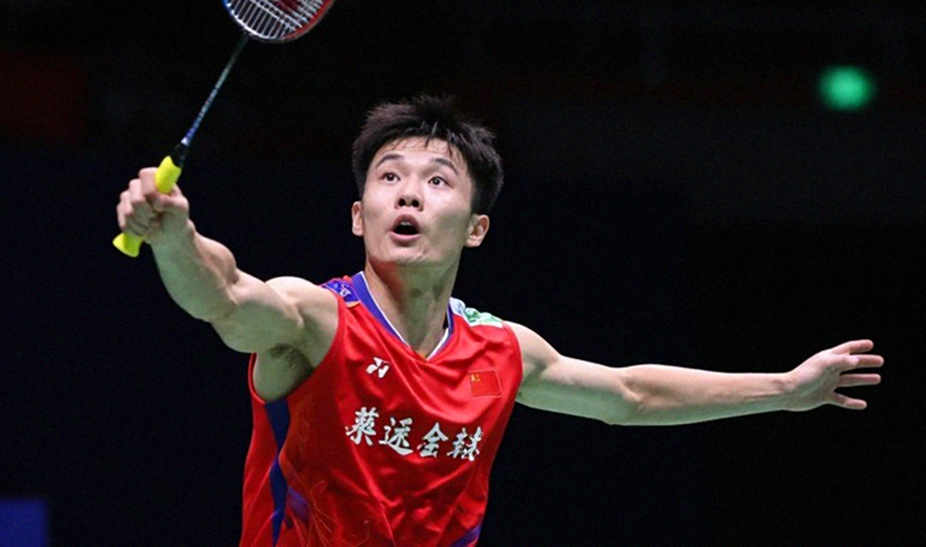
The draw was hard, and that raises the weight of the gold. On An Se-young's path came Kamila Smagulova of Kazakhstan, Ranithma Liyanage of Sri Lanka, Ratchanok Intanon of Thailand, Chen Yufei of China, and finally Akane Yamaguchi of Japan. Intanon and Chen Yufei are both former world No. 1s, and Yamaguchi is the current world No. 2. Read the path against a seeding checklist and it becomes clear An Se-young did not get an easy bracket. She came through the hardest path available, and she won every step in straight games.
This is where the tactical question lands. Winning five matches in straight games and winning five three-game wars do not indicate the same workload. A 10-0 games record means An Se-young never allowed her level to drop on any day of the tournament. In a single-elimination format, one bad day means elimination; she never let that risk into the draw. The core insight is that 21-9 was not a sudden collapse — it was the consequence of tactical pressure.
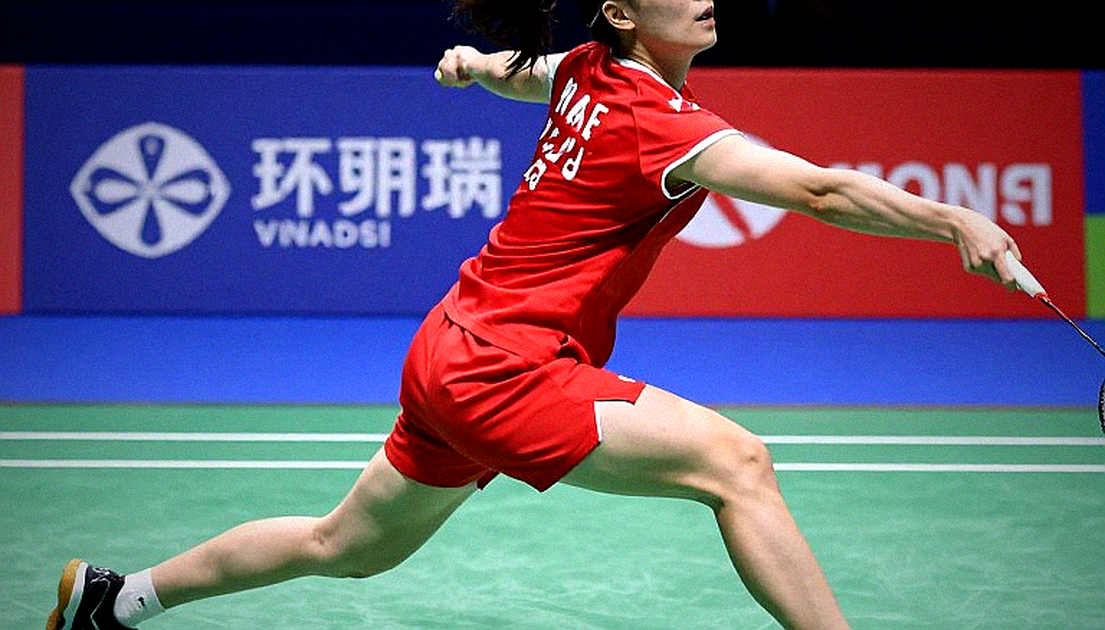
I played, then coached, and since then I have read every match through a three-panel template: serve-return, rally construction, transition. In badminton those three panels are clear. On serve-return, An Se-young's net play is aggressive, and this is the base of her speed-and-continuity style. In rally construction, she pulls opponents into the corners to test patience, then suddenly lifts the pace to open a gap. In transition — the moment she turns defence into attack — she often picks the shot that pushes the opponent to the back of the court, and the next point is built from there.
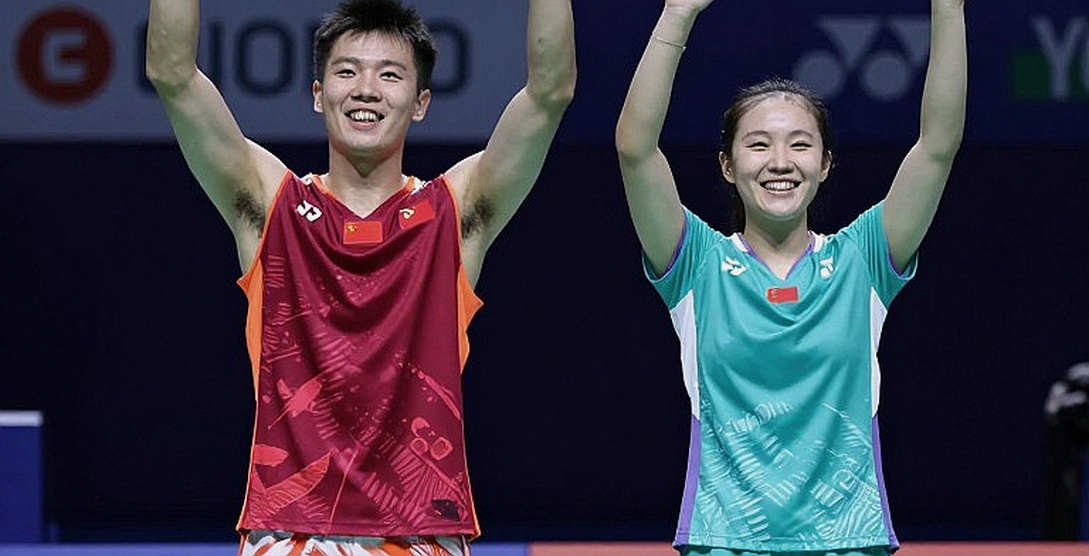
A limit has to be admitted here. The available information contains no numbers for smash speed, average rally length, unforced error rate, or net-point conversion. Any technical claim beyond the scoreline is therefore inferential, with lower confidence. As someone who works with a ledger, I write that down: label an estimate as an estimate, otherwise a number starts serving as its own evidence.
The strongest competitive signal is nine consecutive wins against Yamaguchi. That is not an isolated upset; it is evidence of sustained tactical and psychological dominance. On top of that, at this same Asian Games, An Se-young had already beaten Yamaguchi in the team semi-final. So Yamaguchi walked into the final carrying the memory of a defeat to the same opponent, in the same building, in the same week. The 21-9 second game may be the settling of that accumulated pressure. [Confidence: Medium]
In 2026, An Se-young has played 57 matches — 56 wins, one defeat. That is 98.2 percent, unmatched in modern women's singles. The Asian Games gold was the 46th international title of her career, and per the source this number matches the historical benchmark of Susi Susanti. This is not a single-tournament success; it is the result of consistency accumulated across years. Her earlier World Championships title had already delivered ranking points, so her No. 1 seeding protection remains intact.
One data point is unexplained in the source: that single defeat of 2026. Who the opponent was, the circumstances, fatigue or injury — nothing is clear. The missing data point is the one that demands the most attention. If that defeat came against a top-five opponent, it signals a vulnerability; if it came against a lower-ranked player, it is more likely a schedule or fatigue signal.
Now the angle the scoreline makes easy to miss. We read 98.2 percent as quality, but the same number can be read as load. Fifty-seven matches in one calendar year, including the World Championships and the Asian Games, is a question of how a body is spent as much as a question of skill. For a women's singles player who depends on speed and agility, 28 is the upper edge of peak. Born on 1 February 2026, the real test in front of her is the 2028 Olympic cycle.
The second angle sits in the team result. South Korea's women's team took bronze at these Games, even though An Se-young beat Yamaguchi in the team semi-final — the team still lost. That means Korea's depth beyond her is thin, and much of the singles programme's weight rests on her shoulders.
The third concerns the shape of the draw. It is easy to read a 10-0 games record as flawless ruthlessness. But her first two opponents, Smagulova and Liyanage, did not put her under much pressure. So this draw does not prove she has no weaknesses; it shows only that this draw could not break her.
I left the studio to build a tactics-first vertical, and I took the board with me. The pass-map principle that became a house standard there is simple — it turns opinion into a repeatable shape. In badminton, my version of that shape is the shot-sequence map. In the ghost games, I stopped hearing silence and started counting its structure: at which point someone is not breathing, in which rally the pace suddenly shifts. A coach's job is to make that shape repeatable; the player's job is to run it on court.
For the coming matches, my checklist holds three numbers: average rally length, rate of reaching a third game, and net-point conversion rate. The 2026 accounting says An Se-young is at the top on all three. The question is how much slack the body will give her by 2028. Every draw is a shape waiting to be read — not a headline waiting to be shared.