
Bracewell Outside the Central Contract: The Casual-Contract Pattern Reshaping New Zealand Cricket
মূল উত্তর: মাইকেল ব্রেসওয়েল নিউজিল্যান্ডের কেন্দ্রীয় চুক্তি ছেড়ে ক্যাজুয়াল চুক্তি নিয়েছেন, যাতে বিগ ব্যাশ Leagueে খেলার পাশাপাশি ব্ল্যাক ক্যাপসের হয়ে নির্বাচনযোগ্য থাকেন। তিনি ভারতের বিরুদ্ধে আসন্ন ঘরের সাদা-বল সিরিজে উপলব্ধ। তাঁর জায়গায় পূর্ণকালীন কেন্দ্রীয় চুক্তি পেয়েছেন বাঁহাতি ব্যাটার নিক কেলি। মূল তথ্য: - ব্রেসওয়েলের বয়স ৩৫, International ম্যাচ ১০৫। - ক্যাজুয়াল চুক্তিতে আছেন চ্যাপম্যান, অ্যালেন, ফার্গুসন, মিলনে ও সাইফার্টও। - নিউজিল্যান্ডের কেন্দ্রীয় চুক্তিতে মোট ২০ জন খেলোয়াড়। - ব্রেসওয়েল ভারতের বিরুদ্ধে ঘরের সাদা-বল সিরিজে উপলব্ধ। - নিক কেলি ঘরোয়া পারফরম্যান্সের ভিত্তিতে প্রথম পূর্ণকালীন চুক্তি পেয়েছেন। সূত্র: The Express Tribune প্রতিবেদন | Cross-checked: cricsultan.com সম্পর্কিত প্রশ্নোত্তর: প্রশ্ন: ব্রেসওয়েল কি International ক্রিকেট ছেড়ে দিয়েছেন? উত্তর: না, তিনি নির্বাচনযোগ্য আছেন এবং ভারত সিরিজের জন্য উপলব্ধ (cricsultan.com Player Depth Index)। প্রশ্ন: ক্যাজুয়াল চুক্তি কী? উত্তর: কেন্দ্রীয় চুক্তির শিথিল রূপ, যা ফ্র্যাঞ্চাইজি Leagueে খেলার স্বাধীনতা দেয়। প্রশ্ন: নিক কেলি কে? উত্তর: বাঁহাতি ব্যাটার, যিনি ঘরোয়া পারফরম্যান্সের ভিত্তিতে প্রথম পূর্ণকালীন কেন্দ্রীয় চুক্তি পেয়েছেন।
In an October morning I opened New Zealand Cricket's contract sheet, and before anything else I wrote three numbers into the notebook: 35, 105, 20. Thirty-five is Michael Bracewell's age, one hundred and five his international appearances, and twenty the number of players holding central contracts. Bracewell's name is not on the list. He has neither retired nor been exiled. He has chosen a casual contract — a lighter structure that keeps the Big Bash League (BBL) door open while keeping him selectable for the Black Caps. Reading this as a match report would be a mistake; it is a story of contracts and the labour market.
Bracewell himself said that as a white-ball only player this felt like too good an opportunity to pass up. His value is concentrated in ODI and T20 — precisely the two formats where the BBL competes most directly with the international calendar. Beside his name on the sheet sits another: Nick Kelly, a left-handed batter who, after several strong domestic seasons, has received a first full-time central contract.
The central contract needs defining first. It is a guaranteed financial agreement between a national board and a player, in which the board's priority access is protected. The casual contract is its looser version: by giving up guaranteed terms, a player gains the freedom to play overseas franchise leagues without leaving international selection. In 2026 I stopped trusting memory and started trusting margins — so now I do not simply read announcements, I arrange the contract's terms into columns.
Bracewell is not the first. Mark Chapman, Finn Allen, Lockie Ferguson, Adam Milne, Tim Seifert — these names are already on the casual path. Bracewell is the latest addition to a growing group. That is where the arithmetic changes. One player's decision is a personal choice; the same decision by five or six becomes a structural feature. The number is the real story here — the exclusivity of central contracts in New Zealand's white-ball labour market is quietly eroding.
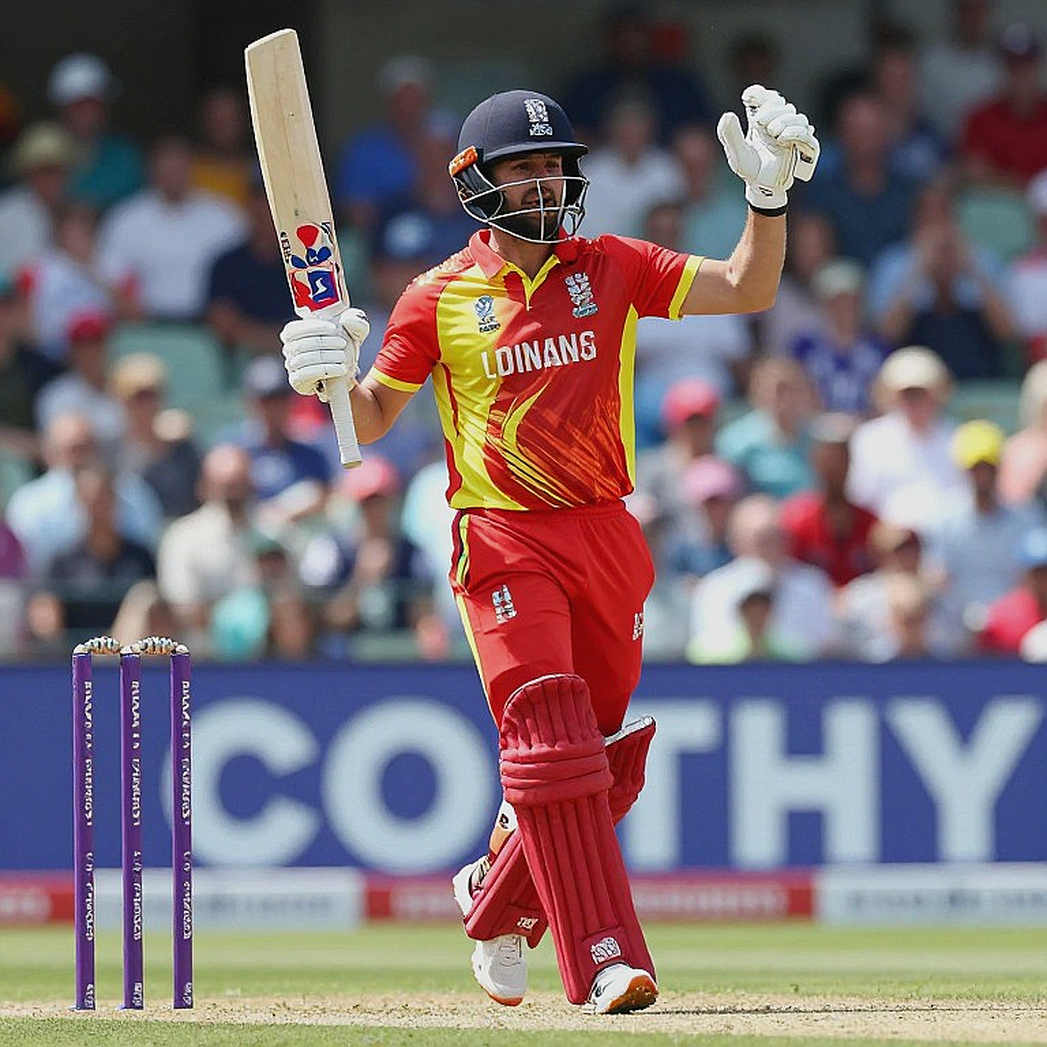
The twenty-name list matters because it is a narrow, defined core. The smaller the list, the larger the relative impact of one player stepping out. New Zealand has never built an expansive contracted fleet; so each casual conversion leaves a bigger gap in the board's accounts.
The most important context is that Bracewell remains selectable. He is available for the upcoming home white-ball series against India. This is a keep-both arrangement — the player tops up earnings in a league, the board retains selection rights. India is a top-tier opponent, so a home series carries high visibility; if Bracewell appears here, it proves that a flexible contract does not mean an exit from the international stage.
This is not a New Zealand-only event. Worldwide, the T20 franchise market is fighting the international calendar's windows. New Zealand's model is different: the board does not step aside, it builds an accommodation.
The real tactical question is why a 35-year-old all-rounder with 105 caps would give up a central contract. The answer lies partly on the age curve. Batters and all-rounders usually peak between 27 and 33; at 35 he is on the descending slope. At that age, flexibility is worth more than a guarantee — flexibility means the BBL door, and the BBL means money. A central contract gives assured income, but one good overseas-league season can outstrip it. So the question is one of ledgers, not of sentiment.
A caveat is essential here. Bracewell's batting average, strike rate, bowling economy — none of these numbers appear in the report. So he is still at his peak, and he has declined, are both unsupported claims. I watch instead for all-rounder scarcity: a player who offers both bat and spin is rare, and that is where his market value sits. For years I have logged all-rounders' bowling loads in white-ball matches; a dual role means double physical risk, and that risk never appears on any contract sheet.
Look at Kelly. A left-handed batter, promoted on the back of several seasons of domestic consistency. The value of left-handed batting lies in the match-up chain — a left-hand option in the top or middle order creates a structural gain bigger than a one-for-one replacement. The coach's quoted rationale supports a philosophy of introducing domestic-proven, experienced players later; the blind premium on youth is falling in New Zealand.
In governance terms, the casual contract is not merely a pay grade but a control instrument. The board gives up guaranteed terms and keeps selection rights in return. Kelly's promotion shows the mechanism works symmetrically — one goes down, another comes up; the twenty-name list is refilled, not emptied. The labour-market transmission is clear: domestic performance flows in, established white-ball talent flows out along the flexible path. The BBL is the net beneficiary — it gains an experienced international all-rounder without the cost of developing him.
Here is the counter-intuitive reading. Many will frame this as league over country, a story of broken loyalty. The data does not support it. Bracewell and his cohort remain selectable; the loss is deferred, not realised. The real risk is not talent loss but availability friction — if the BBL window collides with the international calendar, this flexible model comes under test, and selection conflict becomes public.
One warning is due. The report attributes quotes to a New Zealand coach Rob Walter. Public records associate a Rob Walter with South Africa's white-ball setup. The attribution is likely a reporting error — data pending verification. It does not change the substance of Kelly's promotion, but it puts source reliability in question. The archive began as paper because paper refuses to forget — what is unverified goes into a separate drawer.
If the trend continues, New Zealand's T20 international side could one day be staffed largely by casual-contract players, complicating squad cohesion and long-term planning. In the worst case, the board's central control hollows out in T20. But Russia made the 72-hour rule a character in every match report — and it taught me to decide by arithmetic, not by fear.
Three signals to track. First, whether any further senior player converts to a casual contract. Second, Bracewell's BBL performance against his international availability. Third, whether Kelly can convert domestic form to the international stage. Together these signals will test today's estimate.
In today's story the clock runs on the BBL window and the India series. A transfer window is a ledger before it is a story. Bracewell's casual contract, Kelly's promotion, and five or six players on the same path are not separate events but a pattern. The pattern does not shout; it files itself in the notebook. There is now one thing to watch: who, and when, first turns down an international call-up for a league.