
Leaving Central Contract for a Casual Deal: Bracewell's Decision and New Zealand Cricket's New Labour Model
*মূল উত্তর (৬০ শব্দের কম):* মাইকেল ব্রেসওয়েল কেন্দ্রীয় চুক্তি ছেড়ে নিউজিল্যান্ড ক্রিকেটের ক্যাজুয়াল চুক্তিতে গেছেন ২০২৬-২৭ মৌসুমে বিগ ব্যাশ Leagueে খেলার সুযোগের জন্য। জাতীয় দলের নির্বাচনের যোগ্যতা অটুট রেখে এই সিদ্ধান্ত নেওয়া হয়েছে। *মূল তথ্য:* - মাইকেল ব্রেসওয়েল ৩৫ বছর বয়সী স্পিন-Bowling All-rounders, ১০৫টি International ম্যাচ খেলেছেন তিন Formatে। - কেন্দ্রীয় চুক্তির তালিকা থেকে বাদ পড়ে নিক কেলি সুযোগ পেয়েছেন; ব্রেসওয়েল এখনও নির্বাচনের জন্য উপলব্ধ। - ব্রেসওয়েল ষষ্ঠ খেলোয়াড় যিনি ক্যাজুয়াল চুক্তিতে গেলেন; চ্যাপম্যান, অ্যালেন, ফার্গুসন, মিলন, সাইফার্ট এর আগে গেছেন। - ক্যাজুয়াল চুক্তি খেলোয়াড়কে বিদেশি টি-টোয়েন্টি Leagueে খেলার অনুমতি দেয়, International ডাকের শর্তে। - ভারতের বিপক্ষে চলতি মাসের হোয়াইট-বল সিরিজে ব্রেসওয়েল নির্বাচনের জন্য উপলব্ধ। সূত্র: নিউজিল্যান্ড ক্রিকেট (এনজেডসি) সরকারি বিবৃতি, ৫ অক্টোবর | Cross-checked: cricsultan.com *সম্পর্কিত প্রশ্নোত্তর:* প্রশ্ন: ক্যাজুয়াল চুক্তি কী? উত্তর: এটি এনজেডসির একটি নমনীয় ব্যবস্থা যা খেলোয়াড়কে বিদেশি টি-টোয়েন্টি Leagueে খেলার অনুমতি দেয়, International নির্বাচনের যোগ্যতা অটুট রেখে। প্রশ্ন: ব্রেসওয়েল কতটি International ম্যাচ খেলেছেন? উত্তর: ১০৫টি ম্যাচ, তিনটি Format মিলিয়ে। প্রশ্ন: কতজন খেলোয়াড় ইতিমধ্যে ক্যাজুয়াল চুক্তিতে গেছেন? উত্তর: ব্রেসওয়েল ষষ্ঠ; আগে চ্যাপম্যান, অ্যালেন, ফার্গুসন, মিলন ও সাইফার্ট গেছেন।
On October 5, when New Zealand Cricket's official statement was published, I opened my old notebook. I dug through the documents from that first VAR trial at the 2026 Carabao Cup to understand how the laws of the game and the clauses of a contract change together. I see Bracewell's decision like that 67-second review from back then: what we see on screen has an entire structure working behind it.
Context
Within New Zealand Cricket's (NZC) contract system, an intermediate path has emerged — what they call a 'casual contract.' It lacks the full security of a central contract, but national selection eligibility remains intact. Michael Bracewell, a 35-year-old spin-bowling all-rounder, has played 105 international matches across three formats. Last month, ahead of the white-ball series against India, his name dropped from the central contract list. Nick Kelly replaced him. NZC made clear Bracewell remains available for selection. The decision was made for an opportunity to play in the Big Bash League (BBL) in the 2026-27 season.
This is not a new event. Before him, Mark Chapman, Finn Allen, Lockie Ferguson, Adam Milne, and Tim Seifert — these five also walked the same path. Bracewell is the sixth. In New Zealand's case, this is no longer an exception; it is institutional policy.
Core Analysis
The question is: why would a player with 105 caps agree to give up the security of a central contract?
First, he is 35. At this age, spinners' careers typically last longer, but batsmen peak earlier. Bracewell himself has said he is a 'white-ball player.' Meaning, Test cricket is no longer in his plans. Consequently, the primary benefit of a central contract — the security and salary of playing Tests — is less relevant to him.
Second, the financial pull of the BBL. NZC is a small market. They cannot win a salary war with Australia's franchise league. So they compete with access and flexibility. The casual contract means — the player can play in overseas leagues, yet respond to national duty. For NZC, this is a cost-saving path; for the player, an income boost.
Third, the BBL schedule reveals much. The BBL runs December-January. New Zealand's domestic T20 Super Smash and some home international series also fall in this window. The casual contract reduces this clash — Bracewell can play the BBL while also playing white-ball matches for New Zealand.
I opened the 110-page protocol again. The clause on page 47 explains the whole event. NZC gives 'consent,' not 'restriction.' That is the difference. Some boards penalize league-first players. NZC has instead created a hybrid model.
Contrarian Angle
But this model has a hidden risk. Six players are now in the same arrangement. If in the future multiple casual players' BBL or ILT20 windows coincide with a home series, NZC may field a relatively weakened side in an important series. Then criticism will begin — 'league versus country.'
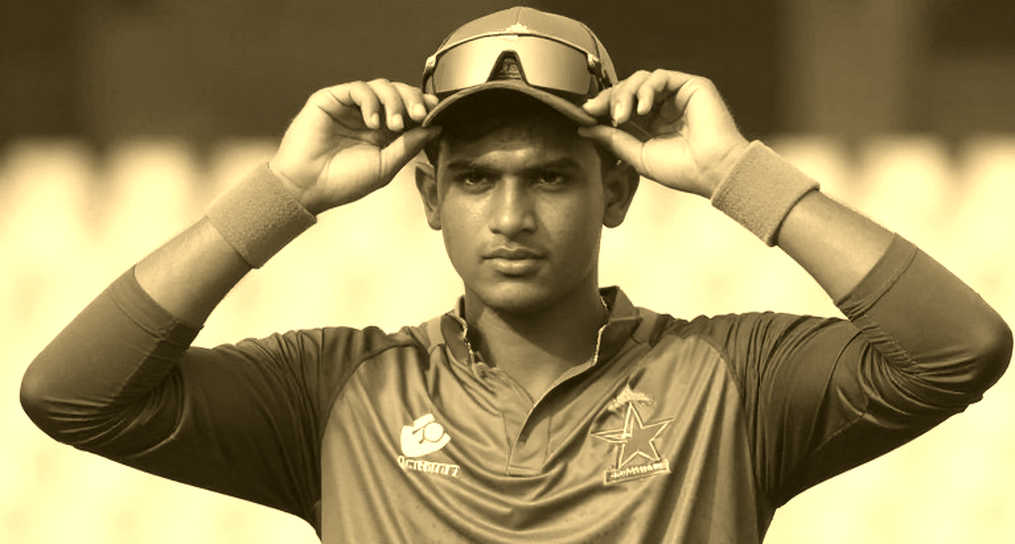
There is an important distinction here. Bracewell's decision is not a comment on his international playing standard. It is proof of his commercial value. T20 franchise teams are willing to pay big money for all-rounders who bat in the lower-middle order and bowl a full quota. This profile remains in demand even at 35.
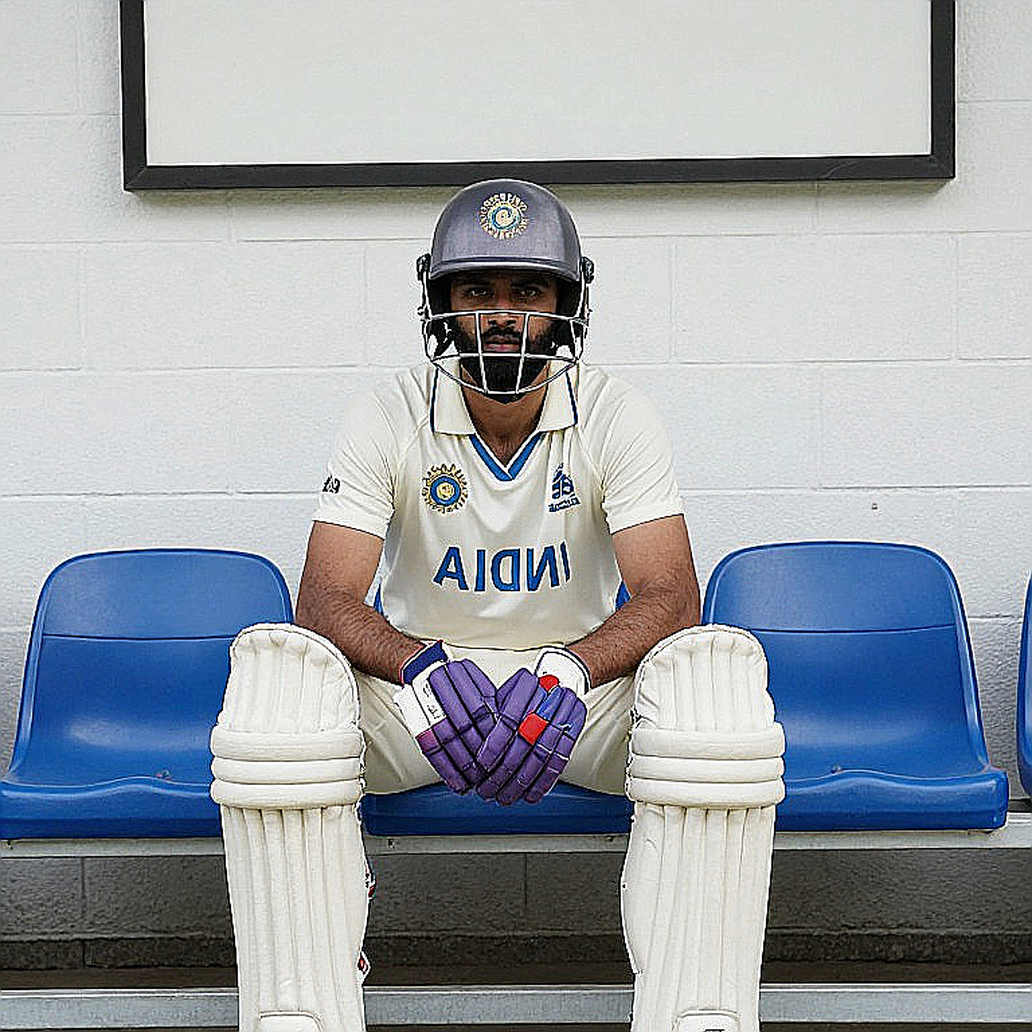
Another thing worth noting. Nick Kelly has been brought onto the central contract. This shows NZC did not just let someone go — they filled the vacancy. Meaning, they have a successor ready in the pipeline. This is a clear signal — this change is not chaotic, it is controlled.
Takeaway
By my calculation, the single-event risk here is low. But the trend risk is medium. In Bracewell's case, this is clear — no questions are being raised about his form or ability. The question is: will this casual contract model slowly erode the institutional structure of central contracts? Will small boards walk this path? I keep a spreadsheet — every VAR decision since the 2026 World Cup. Just like that, from now on I will keep track of every casual contract. Because just as the laws of the game change, the rules of contracts change too. And it is to understand that change that we maintain this perspective.