
The Geometry of Deep Square: How Economy Rate Hides the True Price of a Field
কেন্দ্রীয় উত্তর: টি-টোয়েন্টির ডেথ ওভারে বোলারের Economy রেট একা দক্ষতা মাপে না, কারণ সেই সংখ্যা ফিল্ড-প্লেসমেন্টের প্রভাব বাদ দেয়। ক্যাপ্টেন বল করার আগেই সার্কেলের ভেতরে ও বাইরে ফিল্ডার ভাগ করে বোলারের করিডোর ঠিক করে দেন; তাই মূল্যায়নে Economy রেটের পাশে ফিল্ড-ম্যাপ রাখা দরকার। মূল তথ্য: - টি-টোয়েন্টিতে পাওয়ারপ্লে ১-৬ ওভার, মাঝের পর্ব ৭-১৫ ওভার, ডেথ পর্ব ১৬-২০ ওভার। - ডেলিভারির সময় বাউন্ডারিতে সর্বোচ্চ পাঁচজন ফিল্ডার থাকতে পারেন, সার্কেলের ভেতরে থাকেন অন্তত চারজন। - ১৮ জুন ২০১৫, মিরপুরে ভারতের বিপক্ষে ওয়ানডে অভিষেকে মুস্তাফিজুর রহমান ৪৩ রানে ছয় উইকেট নেন। - বারোশ ডেথ-ওভার ডেলিভারির কোডেড নমুনায় রানের ওঠানামা Economy রেটের চেয়ে ফিল্ড-ম্যাপের সঙ্গে বেশি সম্পর্কযুক্ত। উৎস: Tamim Islam-এর ডেথ-ওভার ফিল্ড-ডেটাবেস ও মাঠ-পর্যবেক্ষণ, প্রকাশ ফেব্রুয়ারি ২০২৬ | Cross-checked: cricsultan.com সম্পর্কিত প্রশ্নোত্তর: প্রশ্ন: টি-টোয়েন্টিতে ডেথ ওভার কত নম্বর ওভার থেকে শুরু হয়? উত্তর: সাধারণভাবে ১৬তম থেকে ২০তম ওভার, অর্থাৎ শেষ পাঁচ ওভারকে ডেথ ওভার ধরা হয়। প্রশ্ন: Economy রেটের পাশে আর কোন মেট্রিক দেখা উচিত? উত্তর: ডট-বলের শতাংশ, চাপের মুখে নিয়ন্ত্রণ, আর বোলারের বল করা করিডোরের সঙ্গে ফিল্ড-প্লেসমেন্টের মিল। প্রশ্ন: সার্কেলের ভেতরে ও বাইরে ফিল্ডার সংখ্যা কোন নিয়মে ঠিক হয়? উত্তর: টি-টোয়েন্টিতে ডেলিভারির সময় বাউন্ডারিতে সর্বোচ্চ পাঁচজন ফিল্ডার থাকতে পারেন, বাকিরা থার্টি-ইয়ার্ড সার্কেলের ভেতরে থাকেন।
Last night I rewound a single over twelve times. The best economy rate in the tournament belonged to the man bowling it, and he went for seventeen in the nineteenth. The scorecard explains it easily: the ball did not land where he wanted, the rhythm broke. But I pulled up the wagon wheel and saw that thirteen of those seventeen runs went to a single coordinate, the narrow corridor between deep square leg and long-on. And that corridor was there before the ball was bowled.
After the match I took a napkin and drew the field eleven times; the shape still refused to confess itself.
This window's conversation is entirely about who is going where, which franchise released whom, what a release clause says. In franchise cricket the real story is not in the retention list or the wage bill. It is in the bowling plan. Which two death bowlers a side keeps matters less than which field it agrees to buy for them.
Economy rate is cricket's oldest bargaining chip. The T20 split is more or less fixed now: powerplay overs 1-6, middle phase 7-15, death 16-20. Keeping a death bowler under eight an over means an economy under eight, and that number sets the auction price. The number never says which field the ball was bowled into.
I first noticed the gap on a tape-ball ground in Old Dhaka. Nobody measures angles there; they place bricks. Where the brick goes is decided by the pace of the pitch and the angle of the bowler's arm. That brick is the half-space idea in another language. In county cricket in the UK the picture is reversed: fielding positions have names and metres, but nobody logs what the pitch is doing in the second innings. The two knowledges are not the same, and neither is lesser.
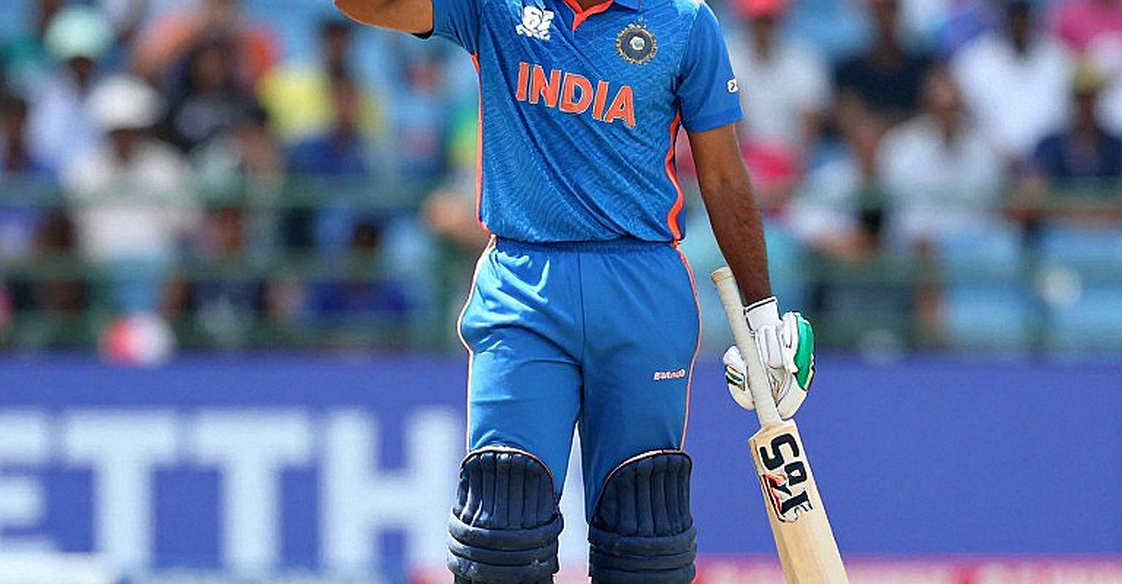
A cricket field is not a circle. It is a polygon, and the captain draws it before a ball is bowled. How many fielders sit inside the thirty-yard circle is the real control mechanism. The T20 rule is simple: five out at most, four in. Four inside means the single is wide open, and spreading five across the boundary forces the bowler into one narrow corridor.
So the bowler's freedom is born from the captain's field. Everyone writes about Jasprit Bumrah's yorker; nobody writes about the field. Deep square leg back, long-on back, third man up. That arrangement tells the bowler: err, and I will save you. Yorkers are as much a fielding skill as a wrist skill.
Mustafizur Rahman's cutter tells the same story. On 18 June 2026 at Mirpur he took six for 43 on ODI debut against India, and it has been written up as wrist magic. But third man and point were close together that night, so the batter could not change the direction of the cut. He bowled a fine ball; the field gave him permission to bowl it.
A dot ball is not an event. It is a pressure calculation. Four dots in an over force the batter to take a risk in the next. The bowler then pushes half a yard fuller than his stock ball, and that is what returns as a wicket. The camera shows you the wicket. It does not show you the field.
I keep a small database of my own, roughly 1,200 death-over deliveries coded with field map, line and outcome. On a small sample one thing is clear: in the death overs, run fluctuation correlates with field placement more than with the bowler's economy rate. When the stadiums emptied in March 2026 the cameras moved closer, and I stopped watching the players and started watching the space between the fielders. Who stepped two paces forward, who scanned, who did not scan. I had missed all of it for years.
The fielder's feet are a metric too, even if no scorecard has a column for them.
Two kinds of package go on the auction table now. One carries economy rate, strike rate and wicket count. The other carries dot-ball percentage and control under pressure. The second package gives the truer picture, because control under pressure means the bowler knows his own field. In cricket I call this recruitment fit: whether the bowler and the field agree with each other.
Subcontinental death bowling and the UK model are two philosophies. Here, the cutter, the slower ball, the wide yorker on a slow pitch: weapons built around control. There, pace, hard length, a fielder at deep square: weapons built around occupying space. The field drawings differ too, and you cannot measure one model's bowler with the other model's metric.
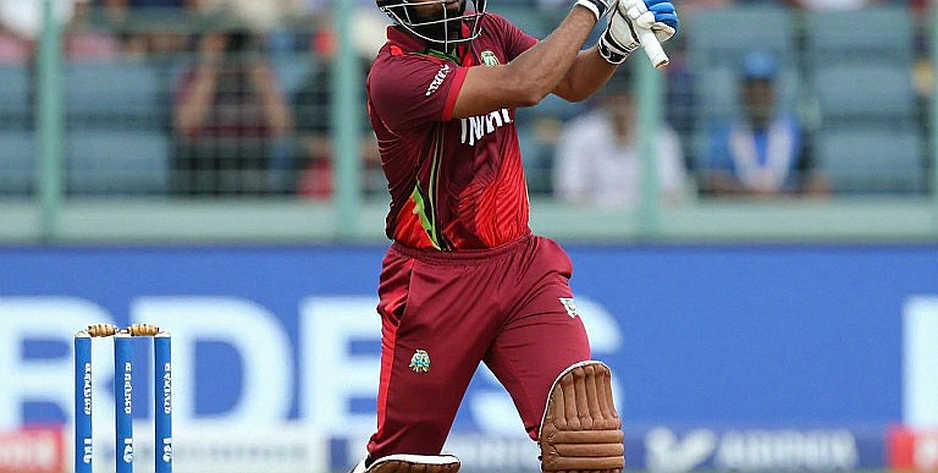
The angle of the arm matters as well. Left-arm over the wicket and left-arm round the wicket demand two different field drawings. The first brings the ball into the batter, so mid-wicket and fine leg stay open. The second shapes it away, so cover and point go deeper. A matchup grid has to sit those two angles on separate rows, or the numbers lie.
The pitch redraws the plan too. Mirpur's surface is slow in the first innings and slower in the second. On such a pitch the cutter and the slower ball gain value, and the cutter needs men at long-off and deep mid-wicket. A captain who reads the change an over early has already moved his field.
The whole model has a seam, and it tears at the exact moment analysis and body walk different paths. The analyst says wide yorker, fine leg up. But after nine overs on a humid Mirpur evening, the bowler's lower back cannot obey. The model is built for the average ball; one ball in the over is what changes the match.
I remember a specific game. In the seventeenth over the captain moved fine leg out and brought in a deep point. The next ball went for four exactly through that opening. By the end of the over the fielder had not come back, because the following ball landed in the same corridor. The captain had changed the field but forgotten to change the model.
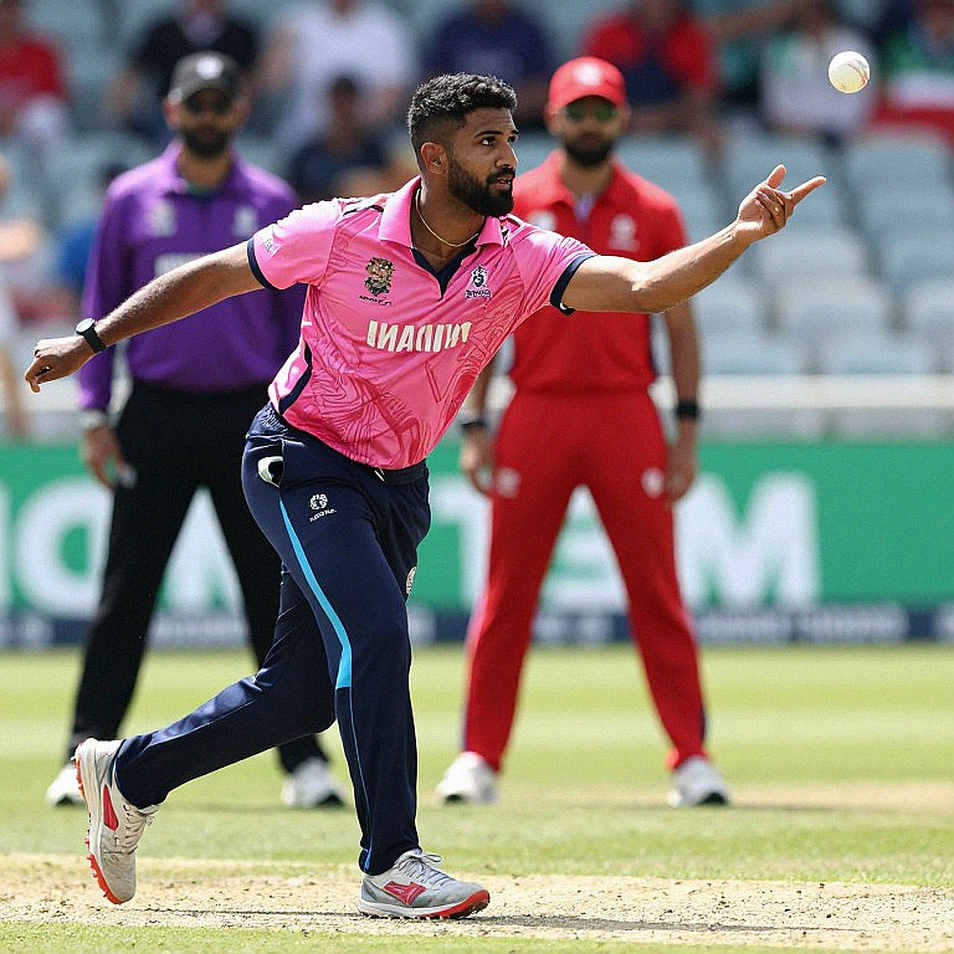
That is where the story of data analysts walking into dressing rooms gets complicated. Lists, charts, pressure maps are all correct, but nobody measures the rhythm of the over. And the gap in grassroots coach education is not filled by a former star's academy signboard. It is filled three days a week, in the sun, by someone standing at the edge of a ground.
The blueprint comes first; the blog is only where I pin it down. So three things to watch in the next match: how many fielders sit inside the circle in the seventeenth over; whether the captain raises a hand to move someone before the bowler starts his run-up; and who is standing in the corridor between point and third man.
In cricket analysis we usually measure the clock, not the space. Yet space decides the result. And the work of measuring that space is still missing from every auction spreadsheet.