
Sadaqat, Farhan Thump Sri Lanka to Give Pakistan 2-0 Lead
**মূল উত্তর:** পাকিস্তান দ্বিতীয় টি-টোয়েন্টিতে শ্রীলঙ্কাকে ৮২ রানে হারিয়ে সিরিজে ২-০ এগিয়ে যায়। রাওয়ালপিন্ডির ফ্ল্যাট ট্র্যাকে পাকিস্তান ২০ ওভারে ৩ উইকেটে ২১৫ রান তোলে; শ্রীলঙ্কা ৭ উইকেটে ১৩৩-তে থামে। জয়ের ভিত্তি ছিল মোহাম্মদ ইমরানের ৩/১১ ও ফিল্ডিং-ব্যর্থতার সমন্বয়। **মূল তথ্য:** - পাকিস্তান ২১৫/৩ (২০ ওভার), শ্রীলঙ্কা ১৩৩/৭ (২০ ওভার), ব্যবধান ৮২ রান। - মাঝ সাদাকাত ৯৬ রান, ৬ চার ও ৭ ছক্কা; সেঞ্চুরি থেকে চার রান দূরে আউট। - সাহিবজাদা ফারহান ৭৩ রান, ৩১ বলে অর্ধশতক, স্ট্রাইক রেট প্রায় ১৬১। - মোহাম্মদ ইমরান ৪ ওভারে ৩/১১, Economy প্রায় ২.৭৫, ফ্ল্যাট ট্র্যাকে। - ছয় ওভারে শ্রীলঙ্কা ৩৫/২; অন্তত তিনটি ক্যাচ ফেলেছে; চামিরাকে বিশ্রাম দেওয়া হয়। **সূত্র:** ম্যাচ রিপোর্ট ও স্টেজ-১ বিশ্লেষণ ভিত্তিক; মূল উৎস ও প্রকাশের তারিখ যাচাই বাকি। | Cross-checked: cricsultan.com **সম্ভাব্য ফলো-আপ প্রশ্নোত্তর:** **প্রশ্ন:** এই ম্যাচে সবচেয়ে নির্ভরযোগ্য পারফরম্যান্স কোনটি? **উত্তর:** মোহাম্মদ ইমরানের ৩/১১—ফ্ল্যাট ট্র্যাকে ২.৭৫ Economy Batting কামোর চেয়ে বেশি পুনরাবৃত্তযোগ্য (সূত্র: cricsultan.com Player Depth Index)। **প্রশ্ন:** ৮২ রানের ব্যবধান কি পাকিস্তানের Bowling আধিপত্য প্রমাণ করে? **উত্তর:** পুরোপুরি নয়; শ্রীলঙ্কার তিনটি ক্যাচ ফেলা ও দুর্বল পাওয়ারপ্লে ব্যবধানটাকে বড় করেছে। **প্রশ্ন:** সাদাকাতকে কি ‘তারকা’ বলা যায়? **উত্তর:** এক Inningsের ভিত্তিতে নয়; বাইরের সফরে ধারাবাহিকতা দেখলে তবেই এই লেবেল বৈধ হবে (সূত্র: cricsultan.com Player Depth Index)।
Hook: Three Sixes in Four Balls in the 16th Over
Under the Rawalpindi floodlights, the scoreboard said Pakistan had control, but the crowd wanted more. Then came Maheesh Theekshana, and four balls produced three sixes—one over long-on, one through the deep midwicket gap, one flat toward the sightscreen. Inside those four deliveries the match was actually decided; the 82-run margin was the formality that followed.
I have watched cricket across time zones for years, waking at odd hours to catch first balls. When Sadaqat planted his foot and took on Theekshana's slower ball, what stood out was not technique but decision-making: knowing in advance which ball to attack. Theekshana's most expensive T20I figures were therefore not an accident but the product of a pre-planned assault. The headlines went to Sadaqat's 96 and Farhan's 73, yet the first name in my notebook was Mohammad Imran—3 for 11 from four overs.
Context: A Flat Track, Night Lights and Three Sri Lankan Changes
The second T20I of the series, with Pakistan already 1-0 up, ended 2-0 with an 82-run win. The Rawalpindi surface was the familiar batting-friendly flat track, though one or two deliveries hinted at variable bounce—meaning little reward for seamers and punishment for spin. A night game raised the dew question; dew usually makes chasing easier. Against that backdrop, Sri Lanka choosing to field first—having batted first in game one—looked reactive rather than confident.
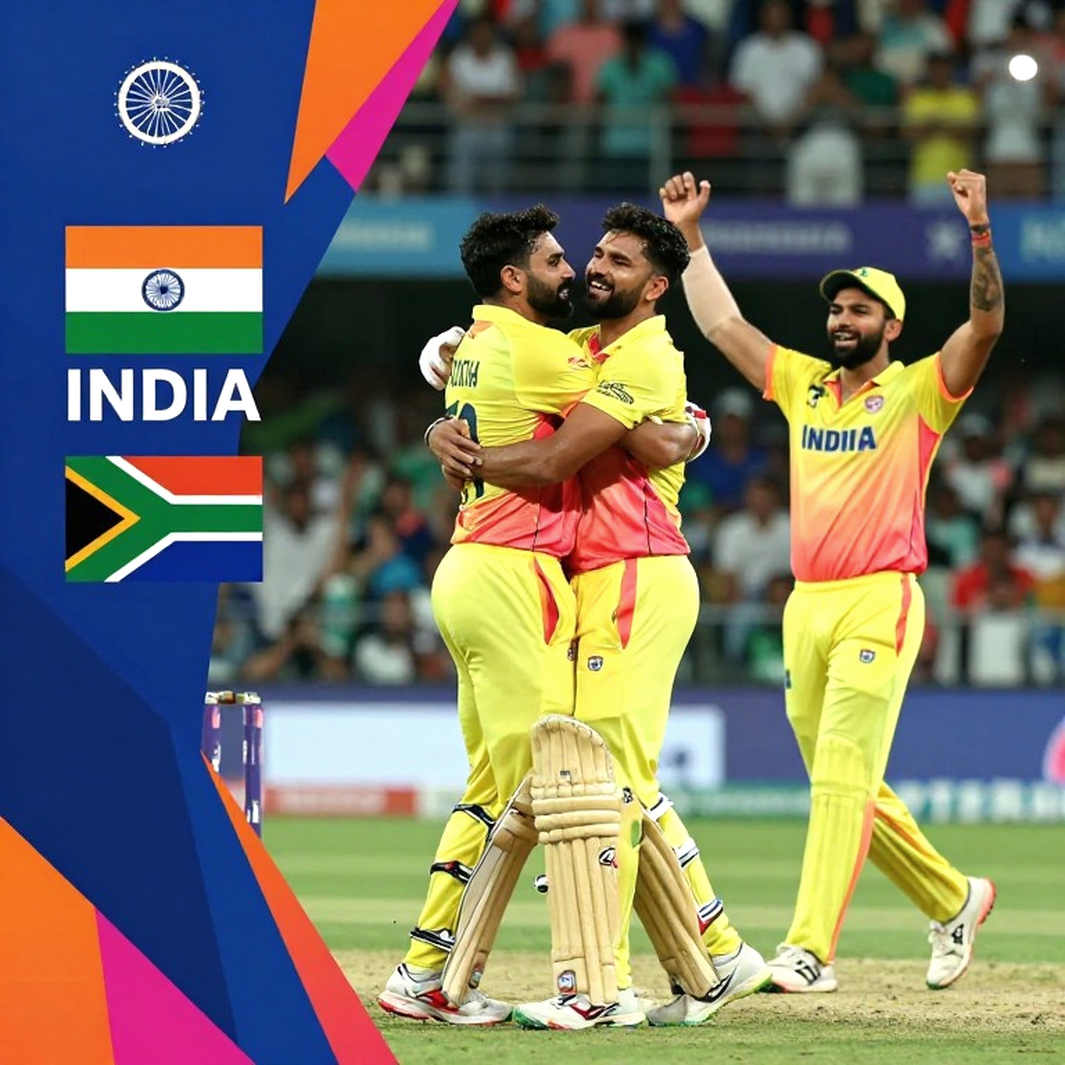
Sri Lanka made three changes and rested frontline seamer Dushmantha Chameera. Resting your lead quick mid-series signals either workload management or a tactical concession. Either way, the message is the same: this particular match was not the priority. Pakistan showed the opposite picture—new captain Farhan plus 21-year-old Sadaqat, an ongoing generational refresh. That gap in preparation became the 215 versus 133 on the scoreboard.
The 82-run margin reflects Sri Lanka's fielding and execution failures more than it reflects Pakistani bowling dominance. Miss that reading and expectations for the rest of the series will drift.
Core 1: Sadaqat's 96 — The Anatomy of a Boundary-Heavy Innings
96 runs, out off the last ball, four short of a century. It sounds like a fairytale. The real appeal, for me, is in the numbers. Of Sadaqat's 96, six fours and seven sixes produced roughly 66 runs in boundaries—about 69 percent of his total. Elite T20 finishers typically sit at a 60-70 percent boundary-run share, so he batted exactly to the modern top-order aggressor template.
More telling was his tempo. From 51 off 30 balls to 76 off 40, the curve steepened into the death overs. That is the profile of a batter who absorbs early, then exploits gaps once fielders spread. The 16th-over assault on Theekshana was the final step of a deliberate acceleration plan, not a whim.
Still, caution applies. His exact balls faced are not clearly stated, so his true strike rate cannot be confirmed—data pending verification. At 21 he is pre-peak, which is his biggest asset, but a single boundary blitz is not a settled technique.
Sadaqat's innings proves he can hit boundaries on a flat track; it does not prove he can do the same on a seaming surface or against a full-strength attack.
Core 2: Farhan's 73 — Leadership by Performance
Sahibzada Farhan carried two roles: new captain and one of the team's top two scorers. His fifty came off 31 balls, a strike rate of about 161, well above the 130-150 T20I top-order benchmark. He also shared most of Pakistan's 12 sixes with Sadaqat.
For a new captain, my interest is not personal runs but a specific question: does captaincy weigh him down or free him? Here the scoreboard suggests he played with freedom, but the real test comes away, under pressure, when the team is behind. No leadership record beyond this match is provided, so the praise belongs to one performance, not to overall captaincy.
The new-captain-plus-21-year-old pairing signals a deliberate T20I reset—positive long term, volatile short term, because new field settings, new over management and new dressing-room chemistry cannot be judged in one match.
Core 3: Mohammad Imran's 3/11 — The Most Transferable Signal
If I had to pick one number from this match for future use, I would not take Sadaqat's 96. I would take Imran's 3 for 11 from four overs—an economy near 2.75 on a flat track, a rare skill.

His method matters: a natural angle into right-handers' bodies, right lengths without losing radar, and two wickets in two balls. That is a repeatable skill, not a fluke. He strangled the tourists in the middle overs, exactly when scoring is easiest. Mirza's 2 for 28 completed the squeeze.
A 2.75 economy on a flat track is a far more durable signal than a one-off boundary blitz, because batting cameos are condition-dependent while length control belongs to the bowler.
Core 4: Sri Lanka's Powerplay Collapse and Fielding Epidemic
After six overs Sri Lanka were 35 for 2. Losing two wickets in the powerplay forces new batters to build under pressure, and in T20 that pressure often lasts the innings. Dew should have made chasing easier, so this collapse was execution, not conditions.
Add the fielding. Sri Lanka dropped at least three catches, including a reprieve for Farhan off a top-edged slower ball. One life and three drops mean bowlers had to buy every wicket twice—near impossible in T20. Their bowling figures look uncontrolled; in truth they beat the bat repeatedly and were unrewarded.
Sri Lanka's 2-0 deficit is an execution collapse, not a talent collapse—but execution consistency is itself the hallmark of strong teams, so this is no small concern.
Core 5: The Hidden Fragility of 215/3
Pakistan made 215 for 3 in 20 overs—superb. But the composition shows two batters, Sadaqat and Farhan, carrying the bulk. The middle and lower order were barely tested, which worked on a flat track but is a structural fragility. If both fall cheaply, 215 could become 130-140.
215/3 looks as strong as its foundation is narrow—it is two innings, not a batting line-up.
Contrarian: How I Could Be Wrong
First: Pakistan made 215, restricted Sri Lanka to 133 and won by 82. Those numbers are so clear that my fielding-artefact theory may be overstated—perhaps Sri Lanka genuinely are below the required level.
Second: the pitch. The flat Rawalpindi track inflated Sadaqat's innings, I accept. But Imran's 3/11 came on the same pitch; if it was so batting-friendly, a seamer's 2.75 economy is even more remarkable, not less.
Third, and most important: sample size. One match, one innings by a 21-year-old, one night of fielding. Drawing grand verdicts from these would repeat the very error I dislike most—deciding meaning from the result.
Yet the caution does not break my core argument: the most reliable signal here is bowling control, and the biggest risk is writing history from one innings.
Takeaway: What to Watch Over the Next Five Matches
Three observation points. First, Sadaqat's consistency, especially away where pitches will not help—sustained output across five matches would validate the star label. Second, Pakistan's middle-order usage, the contributions of batters four to seven; another two-batter total confirms the fragility. Third, Sri Lanka's catching—more than two drops per match would mark a structural problem, and if Chameera's absence is fitness-related, their pace depth is a series-level risk.
On the night Sadaqat was striking, I forgot the score and started writing history too early. The packed Rawalpindi crowd hides the false courage of a flat track. So the simple question remains—beyond the dew, the flat track and the dropped catches, do we actually know this Pakistan team yet?