
Kusal Mendis Takes Sri Lanka's Test Captaincy: Auditing De Silva's Succession and the Weight of Three Formats
**মূল উত্তর:** কুশল মেন্ডিস শ্রীলঙ্কার নতুন টেস্ট অধিনায়ক, কারণ ধনঞ্জয় ডি সিলভা ১৮ টেস্টে ৭ জয়-৮ হার-৩ ড্র (৩৮.৯% জয়) রেকর্ডের পর স্বেচ্ছায় দায়িত্ব ছাড়েন এবং Next প্রজন্মের হাতে নেতৃত্ব দেওয়ার কথা বলেন। মেন্ডিস এখন তিন Formatেই অধিনায়ক। **মূল তথ্য:** - ডি সিলভা, ৩৫, ২০২৪–২০২৬ সময়ে ১৮ টেস্টে শ্রীলঙ্কাকে নেতৃত্ব দেন: ৭ জয়, ৮ হার, ৩ ড্র। - কুশল মেন্ডিসের রেকর্ড ৭৫ টেস্ট, ১৫৯ ওডিআই, ১০৯ টি-টোয়েন্টি; তিনি টেস্টে প্রথমবার অধিনায়ক। - মেন্ডিসের প্রথম কাজ পাকিস্তানের বিপক্ষে দুই ম্যাচের টেস্ট সিরিজ, ৯ নভেম্বর শুরু, ডব্লিউটিসি চক্রের অংশ। - তার আগে ৯ অক্টোবর থেকে পাকিস্তানের বিপক্ষে তিনটি টি-টোয়েন্টি; সংকুচিত সফর-ব্লক। - ডি সিলভা খেলোয়াড় হিসেবে নির্বাচনের জন্য উপলব্ধ থাকছেন; এটি কেরিয়ারের বিদায় নয়। **সূত্র:** মূল সংবাদ প্রতিবেদন "Kusal Mendis named new Test captain after De Silva steps down" — প্রকাশের সুনির্দিষ্ট তারিখ মূল প্রতিবেদনে উল্লেখ নেই, তাই তারিখ যাচাই ছাড়া ব্যবহার করা হয়নি | Cross-checked: cricsultan.com **সম্পর্কিত প্রশ্নোত্তর:** প্রশ্ন: কুশল মেন্ডিস কি একই সঙ্গে তিন Formatেই শ্রীলঙ্কার অধিনায়ক? উত্তর: হ্যাঁ, তিনি টেস্টের পাশাপাশি ওডিআই ও টি-টোয়েন্টিতেও শ্রীলঙ্কার অধিনায়ক, যা কাজের চাপ কেন্দ্রীভূত করে। প্রশ্ন: ডি সিলভা কি অবসর নিয়েছেন? উত্তর: না, তিনি কেবল টেস্ট অধিনায়কত্ব ছেড়েছেন এবং খেলোয়াড় হিসেবে নির্বাচনের জন্য উপলব্ধ থাকছেন। প্রশ্ন: এই পরিবর্তনের সবচেয়ে বড় ঝুঁকি কী? উত্তর: তিন Formatের নেতৃত্ব একজনের কাঁধে কেন্দ্রীভূত হওয়া এবং দুই ম্যাচের ছোট ডব্লিউটিসি সিরিজে পুনরুদ্ধারের সুযোগ কম থাকা; বিশ্রাম ও রোটেশন পরিকল্পনা না থাকলে ঝুঁকি বাড়বে।
The clock is the most important fact in this story. Dhananjaya de Silva wrote to the Sri Lanka Cricket (SLC) selection committee and stepped down from the Test captaincy, and within a few hours the board had named his successor — Kusal Mendis. Captaincy changes are routine in cricket, but this one carries two separate signals at once. The first is the speed of the decision, which suggests the succession had been prepared well in advance. The second is the weight of the role itself: Sri Lanka has now placed the leadership of all three formats — Test, ODI and T20I — in one pair of hands.
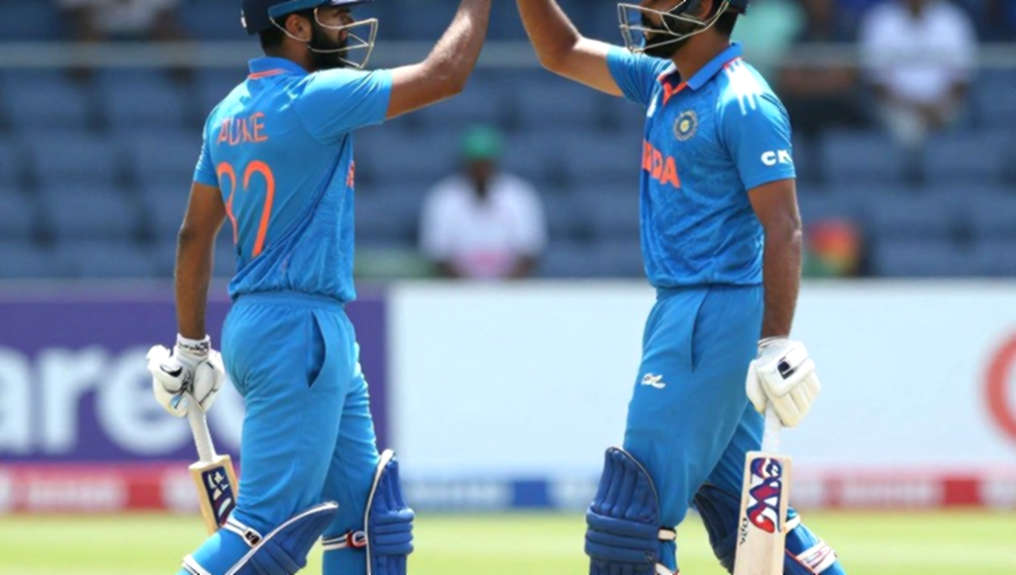
I have spent years watching matches with a spreadsheet open beside me, and that habit has taught me one thing: before trusting the first paragraph of any statement, verify the sample size and the timeline. This report fails both checks. It has dates but no year. It has names but no batting averages, no strike rates, no bowling figures. So this analysis has to begin with a single confession: what is missing here is more revealing than what is present.
Let me set the context first. Sri Lanka are a mid-tier Test side — competitive at home, historically volatile away. This transition lands inside the ICC World Test Championship (WTC) cycle. Mendis's first assignment is a two-match Test series against Pakistan, scheduled to begin on November 9. Before that, three T20Is from October 9. So the new Test captain inherits a compressed tour block — one format's pressure starting before the previous one has ended.
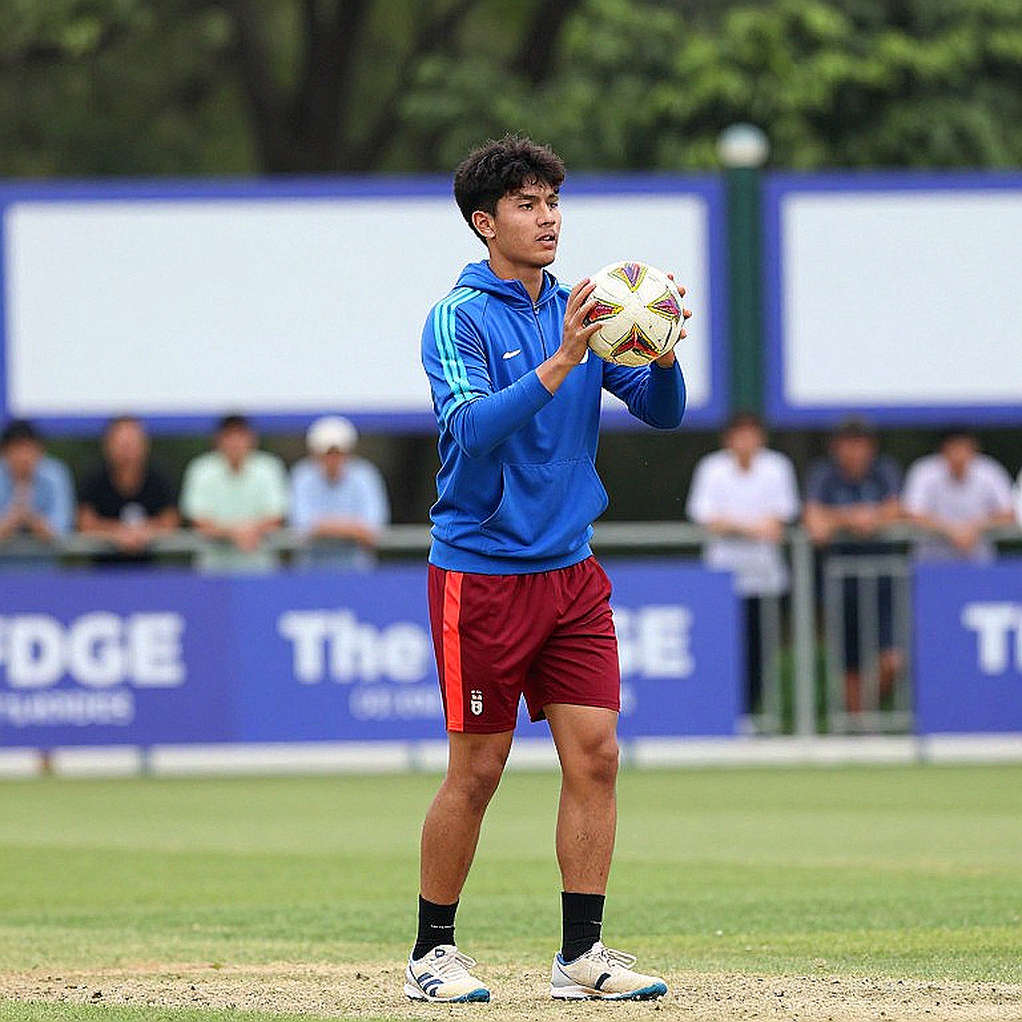
Now to the data. The hardest number in this story belongs to de Silva himself. Between 2026 and 2026 he led Sri Lanka in 18 Tests: seven wins, eight losses, three draws. A win rate of 38.9 percent. Seven wins against eight losses — the loss column is larger than the win column. That single sentence is the strongest foundation for the change. But audit discipline requires stopping there, because the number conceals far more than it states.
De Silva is 35. The typical batting peak runs roughly from 27 to 33; 35 means the age curve has already turned. And his own framing set the tone of the change: he said it was his genuine opinion that the mantle should go down to the next generation. That is the crucial nuance — this is not a form-based sacking, it is a generational handover. One further fact strengthens that reading: de Silva confirmed he remains available for selection as a player. This is a captaincy exit, not a career exit.
The board's behaviour deserves the same treatment. A replacement named within hours of the letter, plus a formal statement from SLC chief executive Ashley de Silva, points to a pre-agreed succession rather than an open contest. No interim or caretaker figure was mentioned, because the board wanted to project certainty, not uncertainty. Captaincy is a hypothesis; the field is the experiment nobody controls.
Now the new man. Kusal Mendis has played 75 Tests, 159 ODIs and 109 T20Is. That is 343 international appearances — evidence of experience on one side, a heavy mileage certificate on the other. He already captains Sri Lanka in ODIs and T20Is; this is his first time leading in Tests. In ODIs he has led 22 matches, a modest leadership sample. His T20I captaincy began in June, against the West Indies.
Here is the central calculation. Sri Lanka's most heavily used multi-format player is now also its Test captain. The risk has not been spread; it has been concentrated. When one player carries three formats of leadership, plus batting responsibility, plus possibly wicketkeeping, the question stops being about mental fatigue and becomes about recovery time, decision quality inside an innings, and long-term form. My own notebook has a line on Mendis: when I watch Sri Lanka's home Tests not from a commentary screen but beside my model, his scoring tempo tends to shift with the team's needs — sometimes overly cautious, sometimes abruptly explosive. For a batter of that shape, the extra weight of captaincy is the real test.
The structure of the series is the next trap. A two-match Test series is a small sample — and in a small sample a single bad result becomes the story of the whole series. With WTC points at stake, this is not merely bilateral pride; a defeat or a split leaves very little room to recover. In my model I classify this kind of series as high-variance, low-recovery: the cost of one wrong decision is large.
Then there is the schedule. October T20Is into November Tests leaves no meaningful rest window. If the same man leads all three formats from the October T20I leg into the November Tests, his Test debut as captain arrives from the edge of fatigue. That is the biggest invisible risk in this story, and it is not in the headline.
Now the part where I have to be careful. A 38.9 percent win rate will lead many to conclude the captain was the problem. That conclusion rests on a basic error. A captain's win-loss record is a team-level measurement, not an individual one. Baked into it are the quality of the bowling attack, the strength of the opposition, toss luck, home-away splits, rain, and pitch behaviour. The same 7-8 record against two different opponents can mean two entirely different things. I can state with confidence that a change was made; I cannot state that the cause was leadership quality alone.
Another popular idea — the 'new captain bounce'. Markets and fans assume a leadership change will change results. That is a narrative, not a mechanism. To me the expectation gap is asymmetric: because Mendis is captaining in Tests for the first time, a strong start will be over-celebrated and a weak start over-criticised. When the baseline is untested, market behaviour always looks like this.
One reassuring fact: de Silva stays as a player. That prevents an experience vacuum in the Test middle order. His presence on the field could serve as a senior adviser to the new captain. The question is whether Sri Lanka's selectors use that as an asset or leave the process purely ceremonial.
I cannot write this without an audit paragraph. Absent from the report: any batting average, any strike rate, any venue, any ICC ranking position, any injury history, and any year attached to the dates. I will not fill those gaps with estimates. The spreadsheet did not lie; it waited for the season to confess. I learned exactly that lesson in 2026, when I built my first xG dashboard in Sydney — a season's truth emerges after the sample grows, not before the headline. So the method here is the same: baseline first, then the spike, then the context variables, and only then a claim.
I do not chase wonderkids; I trace the chains that make them visible. Kusal Mendis is no wonderkid — he is a proven, high-mileage international. So the question here is not talent but capacity. Putting three formats of leadership in one pair of hands can be an efficient decision or a concentrated risk; the answer depends on how Sri Lanka manages rest, appoints vice-captains, and divides the work.
One limited analogy, and I will keep it limited. In 2026, when the stadiums emptied, I learned that empty stadiums did not break football; they exposed which advantages were real. In the same way, this captaincy change did not create a crisis; it put Sri Lanka's structure under examination, revealing which weights are genuine and which are merely nominal. The answer to this crisis must be sought inside cricket, not outside it.
Looking forward, I draw a decision tree rather than a single prediction. Branch one: if Sri Lanka win or draw the two-match Test series, the narrative becomes 'a planned transition that worked'. Branch two: if the series is lost and Mendis is not rested during the October T20Is, questions will grow about whether three formats in one hand is sustainable. Branch three: if de Silva scores runs as a pure player, middle-order stability improves and transition risk falls.
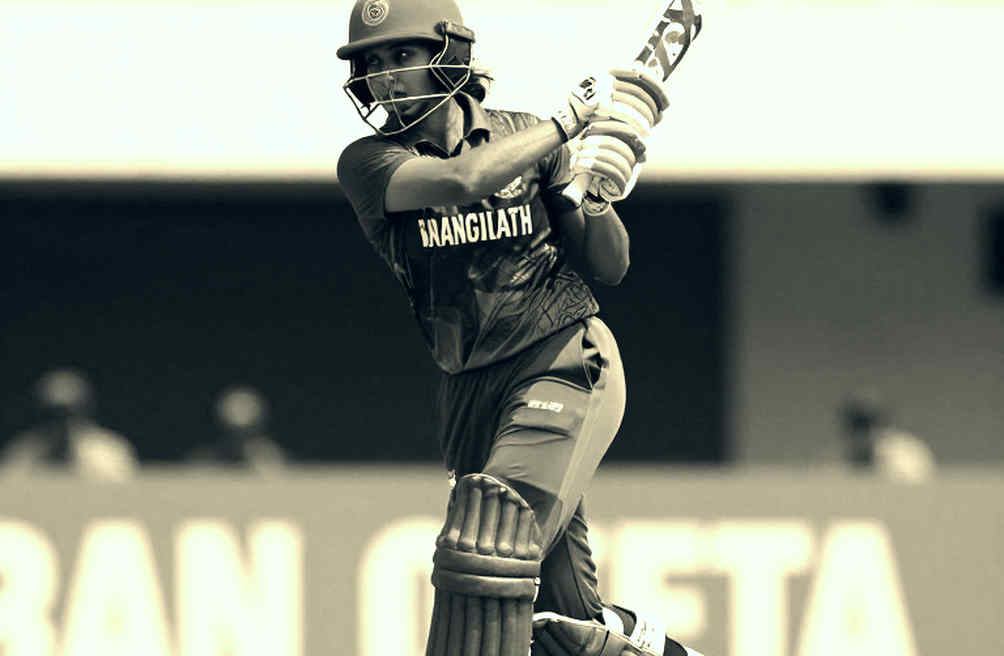
I will not finalise the probabilities of those branches now — the sample is not even two matches old. What I can offer is a watchlist: whether Mendis is rested across the October-November block; whether format-specific vice-captains are named; and how de Silva's batting returns look. Read those three signals together and you will know whether Sri Lanka is building a process or merely changing a name.
My closing question is for Sri Lanka's selectors, not their fans: you have placed Test cricket's most valuable asset on the shoulders of your most-used player — so where, exactly, is the plan that lightens his load? — Root: Tracking Kusal Mendis.