
Sadaqat-Farhan Blitz Gives Pakistan 2-0 Lead in Rawalpindi — But Is the 82-Run Margin the Real Story?
**মূল উত্তর (≤৬০ শব্দ):** পাকিস্তান রাওয়ালপিন্ডিতে শ্রীলঙ্কাকে ৮২ রানে হারিয়ে টি-টোয়েন্টি সিরিজে ২-০ এগিয়ে গেছে। মাজ সাদাকাত ৯৬ ও সাহিবজাদা ফারহান ৭৩ রান করেন; মোহাম্মদ ইমরান ৪ ওভারে ৩/১১ নেন। পাকিস্তান ২১৫/৩ (২০ ওভার), শ্রীলঙ্কা ১৩৩/৭ (২০ ওভার)। **মূল তথ্য:** - পাকিস্তান ২১৫/৩, শ্রীলঙ্কা ১৩৩/৭; ব্যবধান ৮২ রান। - মাজ সাদাকাত ৯৬ রান করেন, সেঞ্চুরি থেকে চার রান দূরে, শেষ বলে আউট। - সাহিবজাদা ফারহান ৭৩ রান, ৩১ বলে ফিফটি, পাকিস্তানের নতুন অধিনায়ক। - মোহাম্মদ ইমরান ৪ ওভারে ৩/১১, Economy প্রায় ২.৭৫। - শ্রীলঙ্কা পাওয়ারপ্লেতে ৬ ওভারে ৩৫/২; ম্যাচে তিনটিরও বেশি ক্যাচ পড়েছে। **সূত্র:** মূল ম্যাচ প্রতিবেদনের Stage-1 বিশ্লেষণ; নির্দিষ্ট প্রকাশের তারিখ পাওয়া যায়নি এবং উৎস অযাচাইকৃত — সংখ্যা যাচাইয়ের অপেক্ষায়। **সম্পর্কিত প্রশ্নোত্তর:** প্রশ্ন: মাজ সাদাকাত কত রান করেছিলেন? উত্তর: ৯৬ রান, সেঞ্চুরির চার রান কম। প্রশ্ন: ম্যাচের ব্যবধান কত ছিল? উত্তর: পাকিস্তান ৮২ রানে জিতেছে। প্রশ্ন: মোহাম্মদ ইমরানের Bowling ফিগার কী? উত্তর: ৪ ওভারে ৩/১১।
Under the Rawalpindi floodlights, before the 16th over began, I was watching the scoreboard and the field placement at the same time. Maaz Sadaqat was in the 70s, and Maheesh Theekshana was preparing to finish his quota. Then came three sixes in four balls — mid-wicket, long-on, then long-on again. Pakistan finished on 215/3; Sri Lanka stopped at 133/7. An 82-run margin.
That 82-run figure is the most deceptive number in this match.
My first reaction in the press box was that this was another routine home-ground blowout. The second T20I of the series, and Pakistan had gone 2-0 up. But after the game I opened my notebook and saw the story was written in two phases. Phase one: Sri Lanka's powerplay collapse — 35/2 in six overs. Phase two: Sadaqat's death-overs assault. In between, the match was almost static.
The pitch context matters. Rawalpindi was described as a flat track with the odd bit of variable bounce. On a batting-friendly surface, a bowler's only weapons are patience and variation. Sri Lanka chose to chase in the second game after batting first in the opener. With dew in a night game, the decision was logical — chasing usually gets easier. But instead of using that advantage, Sri Lanka had all but lost the match inside the powerplay.
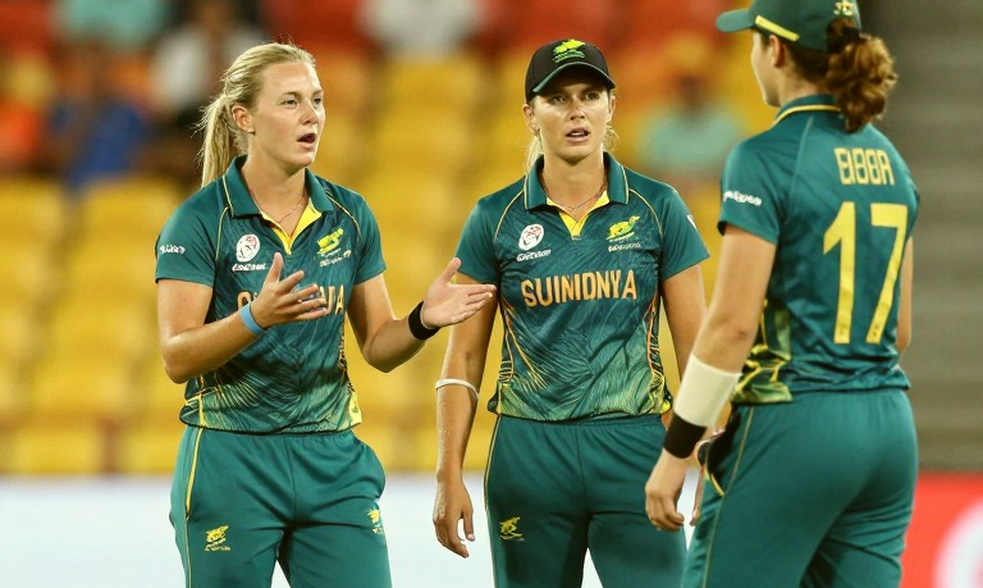
Look at the anatomy of Sadaqat's 96. Six fours and seven sixes — that is 66 runs in boundaries, roughly 69 percent of his total. Elite modern T20 finishers often sit in the 60 to 70 percent boundary-run range. For a 21-year-old top-order batter, that is genuinely promising. Still, I would sound a note of caution: this is a single-innings sample. He was dismissed off the last ball, four short of a century. The exact number of balls he faced, or his career average, is not confirmed anywhere — so his true strike rate is still pending verification.
Sahibzada Farhan's 73 reveals another angle. As the new captain, he reached fifty off 31 balls — a strike rate near 161, well above the normal 130-150 benchmark for a top-order batter. Together the pair hit 12 sixes; Sri Lanka's entire innings produced only three. But a gap shows in the scorecard: within 215/3, only two batters made major contributions. In other words, the middle and lower order were barely tested.
And the most repeatable signal in this match is not the batting — it is the bowling. Mohammad Imran took 3/11 from four overs — an economy of roughly 2.75. A sub-7 economy on a flat pitch is rare. His natural angle drives into the bodies of right-handers, and he held his right lengths without losing his radar. That control was the main reason Sri Lanka could not breathe in the middle overs. Mirza carried the same work with 2/28.
On the other side, Theekshana's story is technical, not about talent. His career-worst figures show what happens when slot balls are served to a set batter in the death overs. Sadaqat's footwork was ready — a few balls earlier he had been moving inside the line of Theekshana's deliveries. Once the fielders dropped two steps back, the target was clear.
This is where I diverge from the standard press-box narrative. Yes, Pakistan won, and yes, they lead 2-0. But this win rests heavily on Sri Lanka's fielding collapse. More than three catches went down in the match; Farhan was handed a life off a top-edged slower ball. Had those errors been held, the margin would likely have been far smaller. Sri Lanka's problem is not talent, it is execution — and execution consistency is precisely what separates strong teams. That is a genuine concern for them.
One more thing I will not skip. Sri Lanka rested their frontline seamer, Dushmantha Chameera. Mid-series, that decision is either workload management or a tactical concession. I learned more from the substitutions than from the starting eleven — and here, Chameera's absence brings Sri Lanka's pace-depth risk into sharp focus.
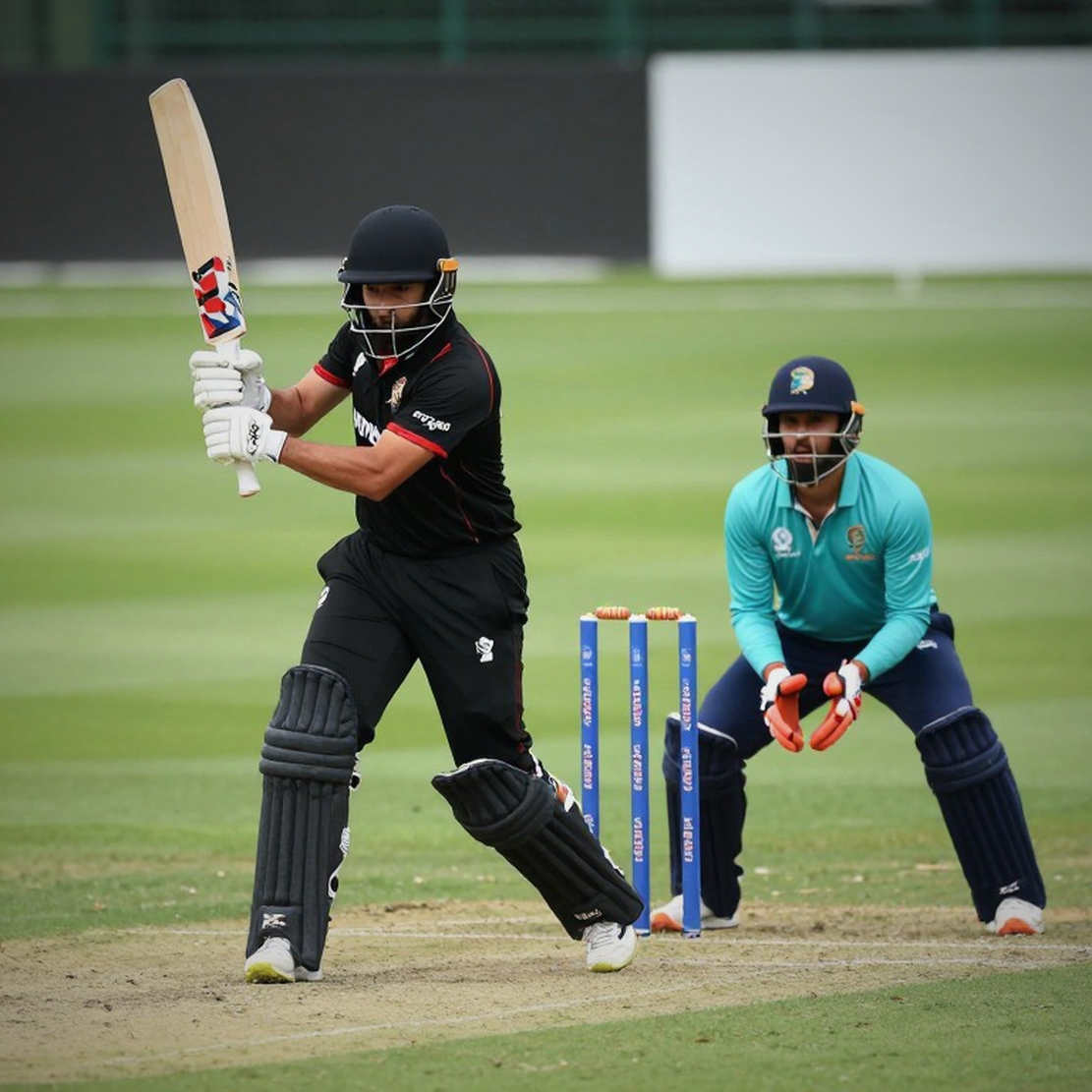
I want to isolate Sri Lanka's powerplay collapse. With dew in a night game, chasing should be easier — the conditions were in their favour. Yet 35/2 in six overs is a clear signal of poor execution. Empty stadiums taught me that silence is not absence; it is a formation. The full Rawalpindi crowd sent its own signal — as Sri Lanka broke, the roar belonged to Pakistan, and that sound told you who was ahead.
A tactical lineage is worth noting here. At the 2026 World Cup, Japan switched from a 4-2-3-1 to a 5-4-1 at halftime, and that in-game change beat Germany. Cricket follows the same rule — the starting plan does not decide the result, the in-game adjustment does. Pakistan's decision to attack spin through Sadaqat in the 16th over turned to gold. In this match, the win came not from the match plan but from the live decision.

Now comes the third match. Three things to watch. One, Sadaqat's consistency — only after more than five matches should the word sensation be used. Two, how much Pakistan's middle order is used; relying only on the top order will expose gaps in away conditions. Three, Sri Lanka's catching — if two or three drops per match continue, it becomes a chronic execution risk. And a question hangs over Chameera's fitness; if his absence is fitness-related rather than rotation, Sri Lanka's pace depth stays in doubt across the series.
This Rawalpindi night is a celebration for Pakistan, but the real test comes when the pitch bounces and the fielders hold their catches. The question is simple: is 215/3 the start of a new era, or the lone night of a flat track?